
5 Best Places to Visit in Pu Luong | A Slow Travel Guide
Pu Luong is not a destination you “visit” in the usual sense.
It is a place you walk through, listen to, and gradually understand.
Hidden in the limestone mountains of northern Vietnam, Pu Luong offers no iconic skyline, no crowded viewpoints, and no checklist attractions. What it offers instead is authentic rural life, layered landscapes, and moments that unfold slowly—often when you stop trying to look for them.
If this is your first time in Pu Luong, these are the five places that best reveal its character, especially for travelers who value depth over speed.
The best places to visit in Pu Luong are not landmarks but lived landscapes. From rice terraces and remote villages to bamboo water wheels and forest trails, Pu Luong is best experienced slowly—by walking, observing daily life, and connecting with local rhythms.
One of the highlights of Vietnam is trekking in pu luong with breathtaking landscapes.
You can join small group trekking tours.
The 3 day guided trekking tour is highly recommended.
Best Places to Visit in Pu Luong (Quick Guide)
- Pu Luong Rice Terraces – best for scenic walking
- Kho Muong Village – most remote and authentic
- Hieu Village & Waterfall – best mix of nature and village life
- Bamboo Water Wheels – unique cultural landscape
- Pu Luong Forest Trails – best for trekking between villages
Many travelers ask is Pu Luong really worth visiting — the answer depends on how much you value authentic village life and slow travel experiences.
1. Pu Luong Rice Terraces – The Living Landscape
Pu Luong’s rice terraces are not designed for photography—they exist because people still farm here by hand.
Carved into hillsides and valley floors, these terraces change character with the seasons:
-
Fresh green during early planting
-
Deep emerald in mid-summer
-
Soft gold during harvest time
What makes Pu Luong special is not the scale, but the intimacy. You often walk directly through the fields, passing farmers at work, buffalo resting in the shade, and irrigation channels quietly guiding water downhill.
Best experienced: On foot, early morning or late afternoon
Best season: May–June and September–October
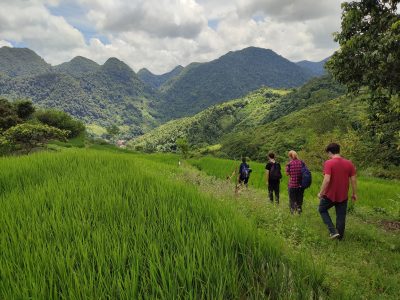
Rice terraces in Pu Luong are part of daily life, not a tourist display
2. Kho Muong Village – Life at the End of the Road
Kho Muong is one of the most remote villages in Pu Luong, nestled deep inside a limestone valley and surrounded by jungle-covered mountains.
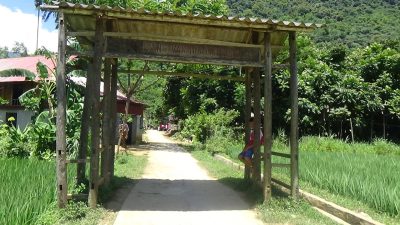
Kho Muong remains one of the most remote and authentic villages in Pu Luong
There is no shortcut to reach it—you arrive by walking. That isolation has preserved a way of life that feels untouched by tourism. Traditional stilt houses, small rice fields, and daily routines unfold without performance or interruption.
Walking into Kho Muong feels less like arriving at a destination and more like stepping into someone’s daily life.
Why it matters: This is where Pu Luong feels most authentic
Ideal for: Slow walkers, photographers, cultural travelers
3. Hieu Village & Hieu Waterfall – Where Water Shapes Life
Hieu Village is built around water.
Streams run through the village, bamboo water wheels lift water to irrigate fields, and paths follow the natural flow of the valley. The village itself feels open and spacious, with wide views and a gentle rhythm.

Water defines daily life in Hieu Village, from streams to waterfalls
A short walk upstream leads to Hieu Waterfall—less dramatic than famous waterfalls elsewhere in Vietnam, but far more integrated into daily life. Locals bathe, rest, and cool off here, especially in warmer months.
Best time to visit: Late morning or early afternoon
Tip: Combine with a village walk, not just the waterfall
4. Bamboo Water Wheels – A Quiet Rhythm of Rural Life
Scattered along streams and valley edges, Pu Luong’s bamboo water wheels are not decorative landmarks.
They are working structures, built and maintained by local Thai families to guide water from rivers into rice fields.
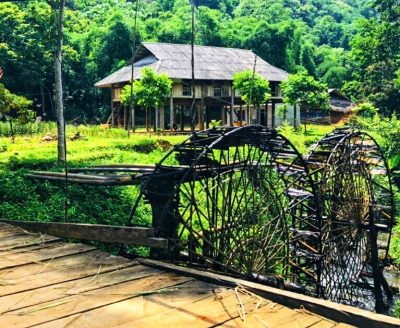
Bamboo water wheels quietly lift water into rice fields, as they have for generations
As you walk through villages like Hieu or nearby hamlets, you hear them before you see them—the soft, repetitive sound of bamboo turning with the current. There are no fences, no viewing platforms, no signs asking you to stop. Life simply continues around them.
Standing beside a water wheel, you begin to understand Pu Luong’s pace.
Nothing is rushed. Water moves patiently. Fields receive only what they need.
These water wheels are best experienced on foot, as part of a village walk or gentle valley trail—not as a photo stop, but as a moment of observation.
Why it matters:
They represent how people here live with the landscape, not above it.
Best way to visit:
Walking between villages with a local guide
Best time:
Morning or late afternoon, when the light is soft and the valley is quiet
5. Pu Luong Forest Trails – Walking Between Villages
Some of Pu Luong’s most meaningful moments happen between destinations.
Forest paths connect villages, terraces, and valleys, passing through bamboo groves, secondary jungle, and shaded hillsides. These trails are not marked attractions—they are simply how locals move through the land.
Walking these routes with a local guide reveals how villages are linked, how water flows, and how the landscape supports daily life.
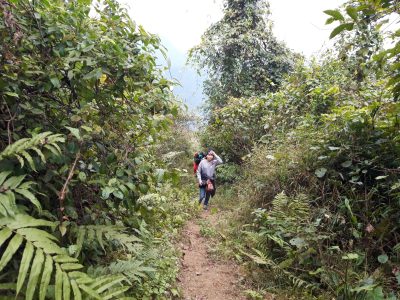
Forest trails connect villages and reveal Pu Luong beyond destinations
Recommended: Guided walking for deeper understanding
Difficulty: Easy to moderate, depending on route.
If you want to explore these places properly, read our complete: Pu Luong trekking guide.
How to Experience These Places Properly
Pu Luong is best explored slowly, ideally over 2–3 days, on foot, and with local guidance.
Rather than trying to see everything, focus on:
-
Walking between villages
-
Staying in locally owned accommodation
-
Allowing time for rest and observation
This approach reveals more than rushing between highlights ever could.
Most travelers visit these places on a 3-day Pu Luong trekking itinerary.
Is Pu Luong Right for You?
Pu Luong may not suit travelers who:
-
Prefer fast-paced itineraries
-
Expect luxury resorts or nightlife
-
Want famous viewpoints and landmarks
But if you value:
-
Quiet landscapes
-
Cultural depth
-
Walking as a way of understanding a place
Then Pu Luong is not just worth visiting—it is worth lingering in.
Explore our Pu Luong trekking packages for a complete slow travel experience.
FAQs – Visiting Pu Luong
How many days do I need in Pu Luong?
Two days is the minimum for meaningful walking, but three days allows a much deeper experience.
Is Pu Luong suitable for beginners in trekking?
Yes. Most walks are gentle and can be adjusted based on fitness level.
What is the best time to visit Pu Luong?
The rice seasons from May–June and September–October offer the most scenic landscapes.
Do I need a guide?
A local guide is highly recommended to access hidden trails and understand village life.
## Explore More About Pu Luong
To plan your journey better, you can explore:
– 👉 Pu Luong trekking routes and complete guide
– 👉 Pu Luong trekking difficulty levels explained
– 👉 Check Pu Luong weather today before your trip
– 👉 Best time to visit Pu Luong by season
– 👉 Things to do in Pu Luong beyond trekking
– 👉 Private Pu Luong trekking tours tailored to you
Pu Luong Trekking – Local Travel Experts
Authentic local insights into Pu Luong Nature Reserve, including trekking routes, village experiences, and slow travel journeys in northern Vietnam.
Based on real local experience from guiding travelers in Pu Luong and continuously updated to reflect actual trekking conditions, village life, and seasonal changes in Pu Luong.