Pu Luong 3 Days 2 Nights Trekking Tour – Private Village Journey


A Pu Luong 3 days 2 nights trekking tour is one of the most popular ways to explore Pu Luong Nature Reserve in northern Vietnam. This journey usually includes guided trekking through rice terraces, visits to ethnic Thai villages, bamboo water wheels, and two nights staying in local homestays inside the reserve.

Most Pu Luong 3 day trekking tours start from Hanoi and lead into the quiet valleys of Pu Luong Nature Reserve. Along the way, travelers walk through rice terraces, bamboo forests, and traditional Thai villages while staying overnight in local homestays inside the reserve. If you are planning your journey, you can explore our complete Pu Luong travel guide to better understand the region, seasons, villages, and trekking routes.
This three-day trekking journey in Pu Luong is designed for travelers who prefer private journeys and meaningful local encounters. Over three days, you will walk through rice terraces, bamboo forests, and remote Thai villages, guided by locals who understand the land not as a destination, but as home.

This journey is shaped by the same slow walking philosophy we share in our Travel Journal.

If you are looking for a Pu Luong 3-day trekking experience that feels calm, personal, and unrushed, this journey offers exactly that.

  • Quick Overview (3 days / 2 nights)

    • Style: Private trekking, slow walking (flexible pace)

    • Walking: ~5–8 hours/day on village trails & forest paths

    • Nights: 1 eco lodge (optional) + 1 remote village homestay

    • Includes: local guide, meals on trek, village stays, permits

    • Start/End: Hanoi (or Ninh Binh on request) → return Hanoi late Day 3


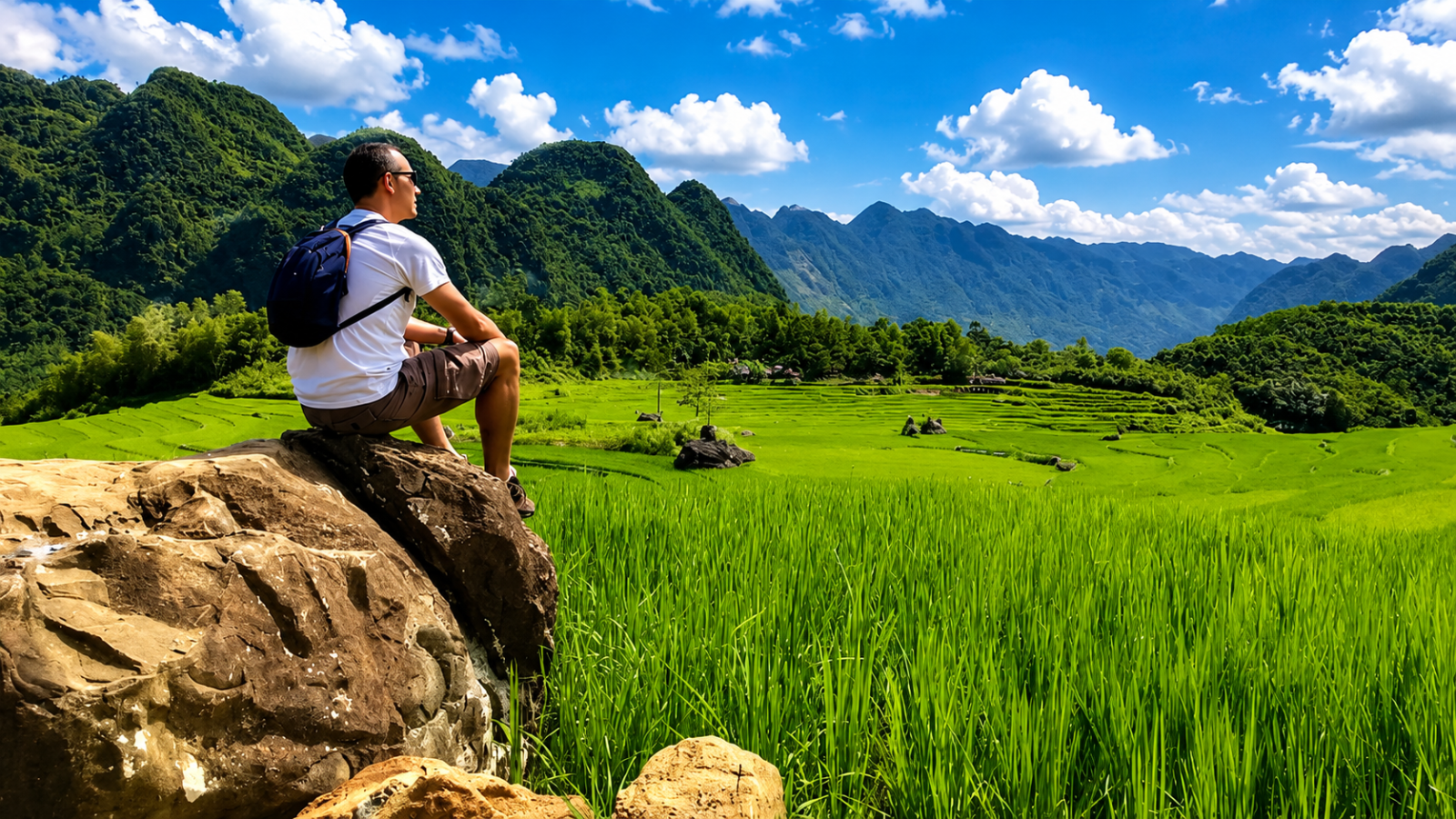
Pu Luong trekking 3 days private slow walking through rice terraces and remote villages

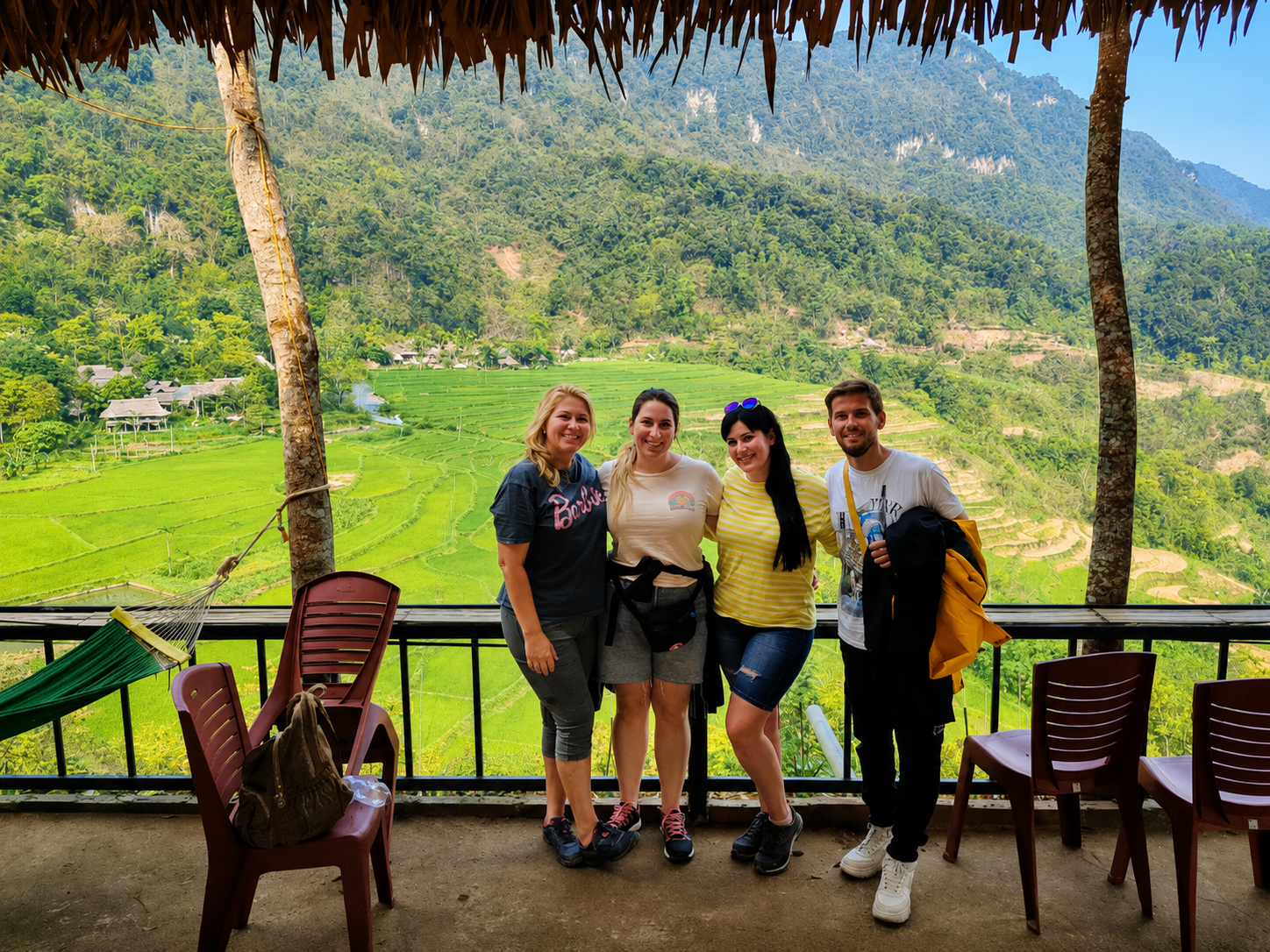
Walking slowly through rice terraces and quiet valleys on a private Pu Luong trekking journey.

What to Expect on a Pu Luong 3 Day Trek

A Pu Luong 3 day trek is designed for travelers who enjoy nature, walking, and authentic village life rather than fast sightseeing.

During the journey, you can expect:

• Walking through terraced rice fields and bamboo forests
• Crossing traditional village footpaths used by local farmers
• Visiting Thai ethnic minority villages
• Seeing traditional bamboo water wheels along mountain streams
• Staying overnight in peaceful village homestays

The atmosphere of Pu Luong is very different from crowded destinations like Sapa. Trekking here focuses on quiet landscapes and cultural encounters with local communities.

If you want to explore the full trekking network, you can also read our detailed guide to
Pu Luong trekking routes and trails.


What Makes This Journey Different

  • Private & flexible pace – no rushing, no crowds, no fixed group schedules

  • Slow walking philosophy – fewer kilometers, deeper connection

  • Local-guided trekking – walk with people who grew up on these paths

  • Remote villages & real life – places untouched by mass tourism

  • Balanced challenge – physically demanding, emotionally grounding

This journey is intentionally limited in number and designed for travelers who value depth over distance.

This journey is led by people who grew up walking these paths daily. Discover why trekking with local Pu Luong trekking guides creates a deeper and more meaningful connection with the land.

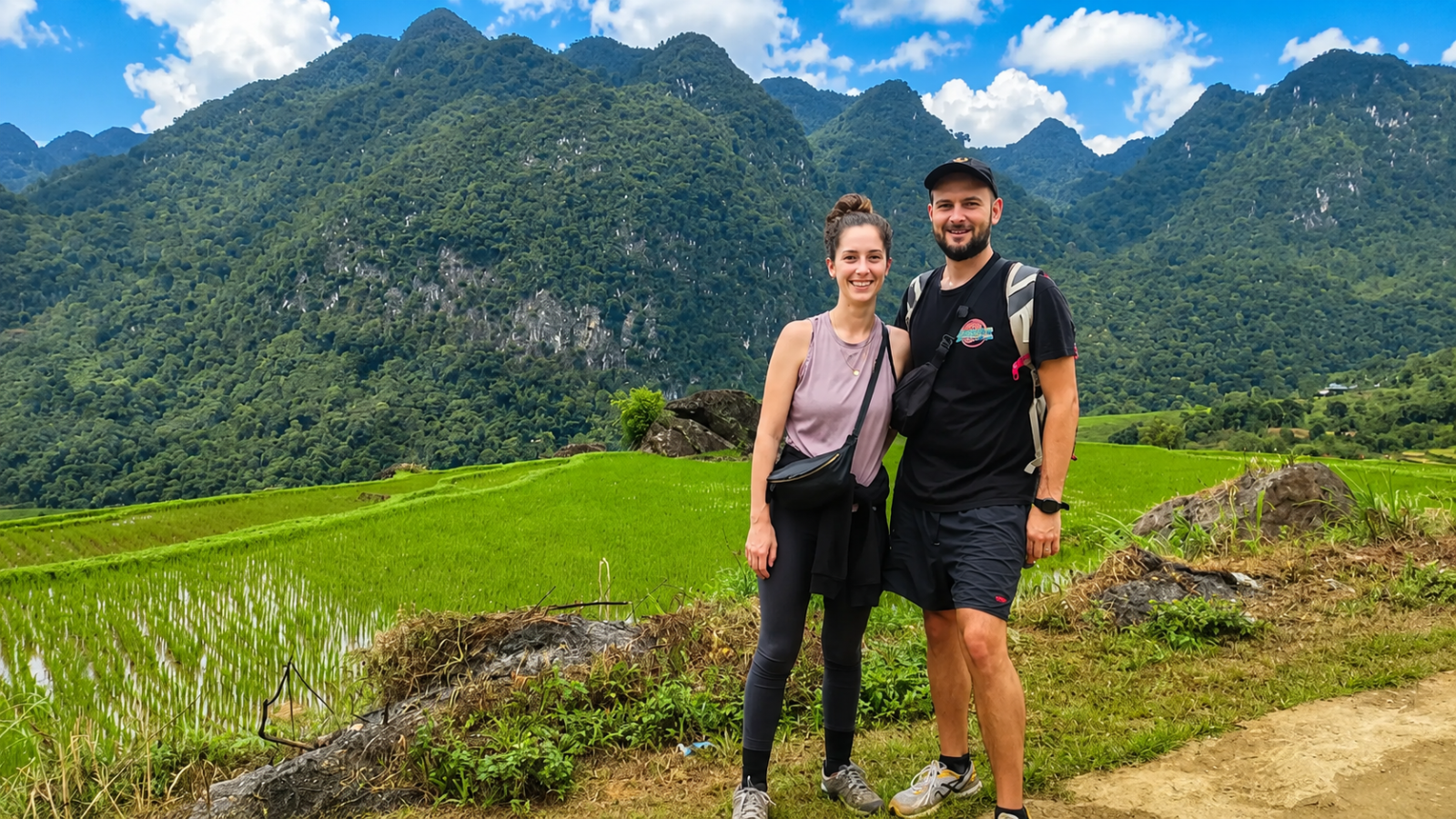
Slow walking trekking through Pu Luong rice terraces with local guide

Slow walking allows time to observe farming life and the rhythm of Pu Luong’s rice terraces.


Journey Highlights

  • Walk through Pu Luong’s most scenic rice terraces and forest trails

  • Visit Hieu Waterfall, one of the reserve’s most pristine natural sites

  • Explore Kho Muong Bat Cave, hidden deep within limestone mountains

  • Experience daily life in Black Thai and Muong villages

  • Overnight in a traditional village homestay, far from tourist centers


A Slow & Thoughtful Itinerary

  • Pickup: Hanoi Old Quarter / Ninh Binh (on request)

  • Return: Hanoi ~ late afternoon Day 3

  • Luggage: stored safely during trek

Pu Luong 3 Days 2 Nights Trekking Itinerary

A typical Pu Luong 3 days trekking itinerary combines scenic village trekking, rice terrace landscapes, and authentic cultural encounters across Pu Luong Nature Reserve.

Most journeys begin with a transfer from Hanoi into the quiet valleys of Pu Luong, followed by three days of walking through Thai ethnic villages, bamboo forests, and limestone mountain trails. The itinerary is designed to balance trekking distance with time to observe local life, allowing travelers to move slowly through the landscape rather than rushing between viewpoints.

This Pu Luong 3 days trekking itinerary focuses on village paths that connect communities such as Hieu, Uoi, and Kho Muong, offering a deeper understanding of the reserve’s natural environment and cultural traditions.

The following itinerary outlines a typical 3-day trekking journey through Pu Luong Nature Reserve, guiding travelers across rice terraces, bamboo forests, and traditional Thai villages while maintaining a relaxed walking pace.

Day 1: Transfer from Hanoi to Pu Luong and begin a gentle trek through rice terraces and village trails.

Day 2: Trek deeper into remote valleys, visit traditional villages, bamboo water wheels, and explore Kho Muong Bat Cave.

Day 3: Walk along farming paths connecting small villages before returning to Hanoi in the afternoon.

Day 1 – Arrival & First Steps into Pu Luong

Hanoi → Pu Luong | Walking, Waterfall & Villages

Depart Hanoi in the morning and travel west into the mountains of Thanh Hoa province.

By midday, the air becomes cooler, the road quieter, and the scenery more expansive. After arrival in Pu Luong, you settle in before beginning your first gentle walk toward Khuyn Village.

The afternoon trek introduces you to terraced rice fields, village paths, and Khuyn Waterfall, where water flows year-round through limestone and forest.

The day ends with a calm evening, local dinner, and overnight stay surrounded by mountains and silence.

You can also explore recent trekking reviews from travelers who have completed the route.

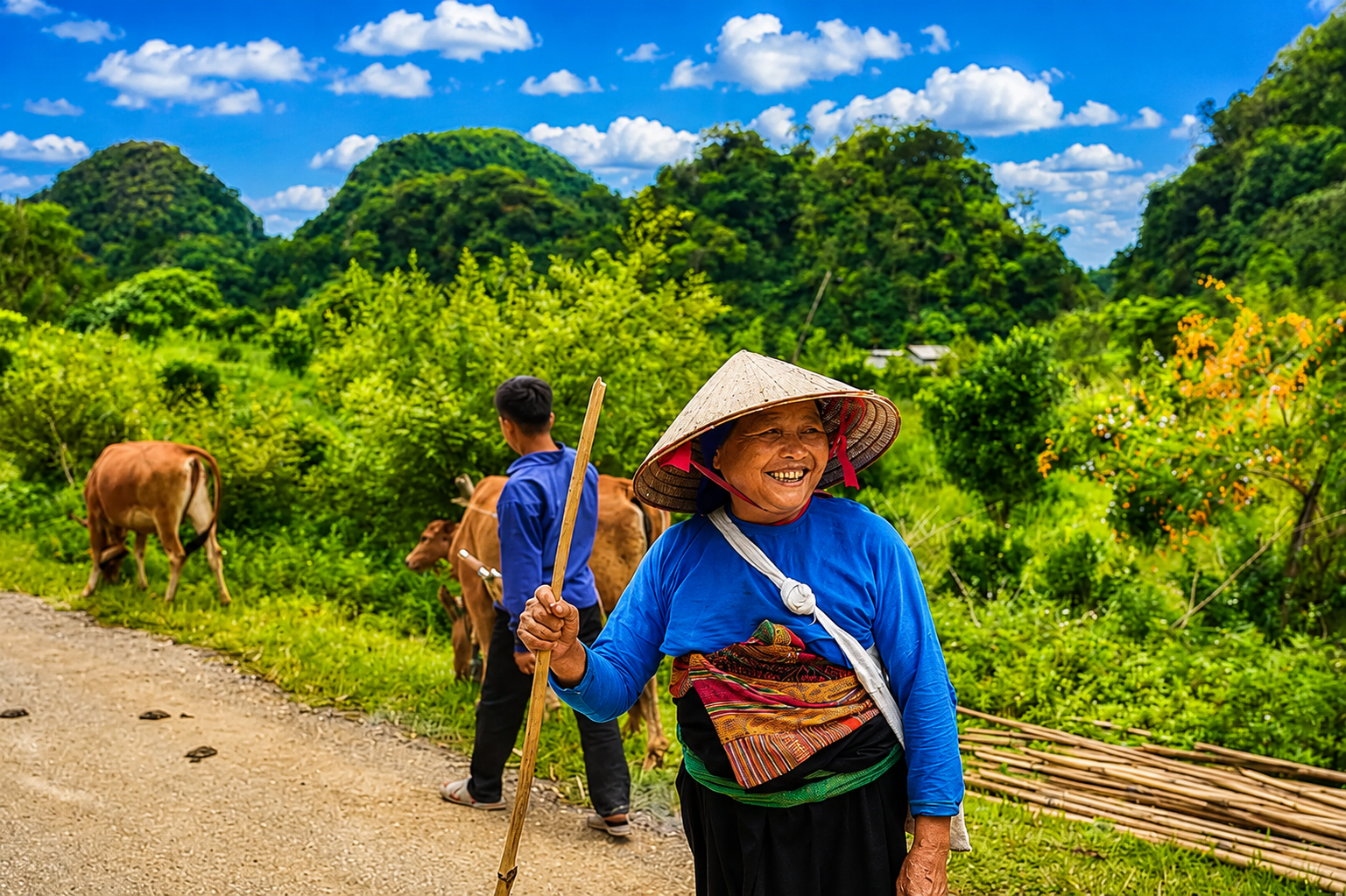
Pu Luong trekking with local guides through remote villages

Walking with local guides who grew up on these village paths.


Day 2 – Deep Trekking into Remote Valleys

Hieu Village → Kho Muong

Today is the heart of the journey.

After breakfast, you begin a long but rewarding trek through Lac Village, known for traditional brocade weaving, and onward to Uoi, one of the highest and most culturally intact Thai villages in Pu Luong.

The trail winds through bamboo forests, limestone ridges, and wide valley viewpoints. Lunch is shared with a local family in a remote village — not staged, simply part of everyday life.

In the afternoon, you explore Kho Muong Bat Cave, hidden beneath dramatic karst formations.

Kho Muong Bat Cave in Pu Luong Nature Reserve

Kho Muong Bat Cave is hidden deep within Pu Luong’s limestone mountains.

Overnight is spent in a traditional homestay in Kho Muong Village, where night falls early and silence feels complete.

In Pu Luong, trekking routes are closely connected to where you stay, and selecting accommodation that matches your walking pace can greatly improve the overall journey.

Walking time: 7–8 hours
Nature: Limestone valleys, bamboo forests, rice terraces
Difficulty: Physically demanding, non-technical trekking

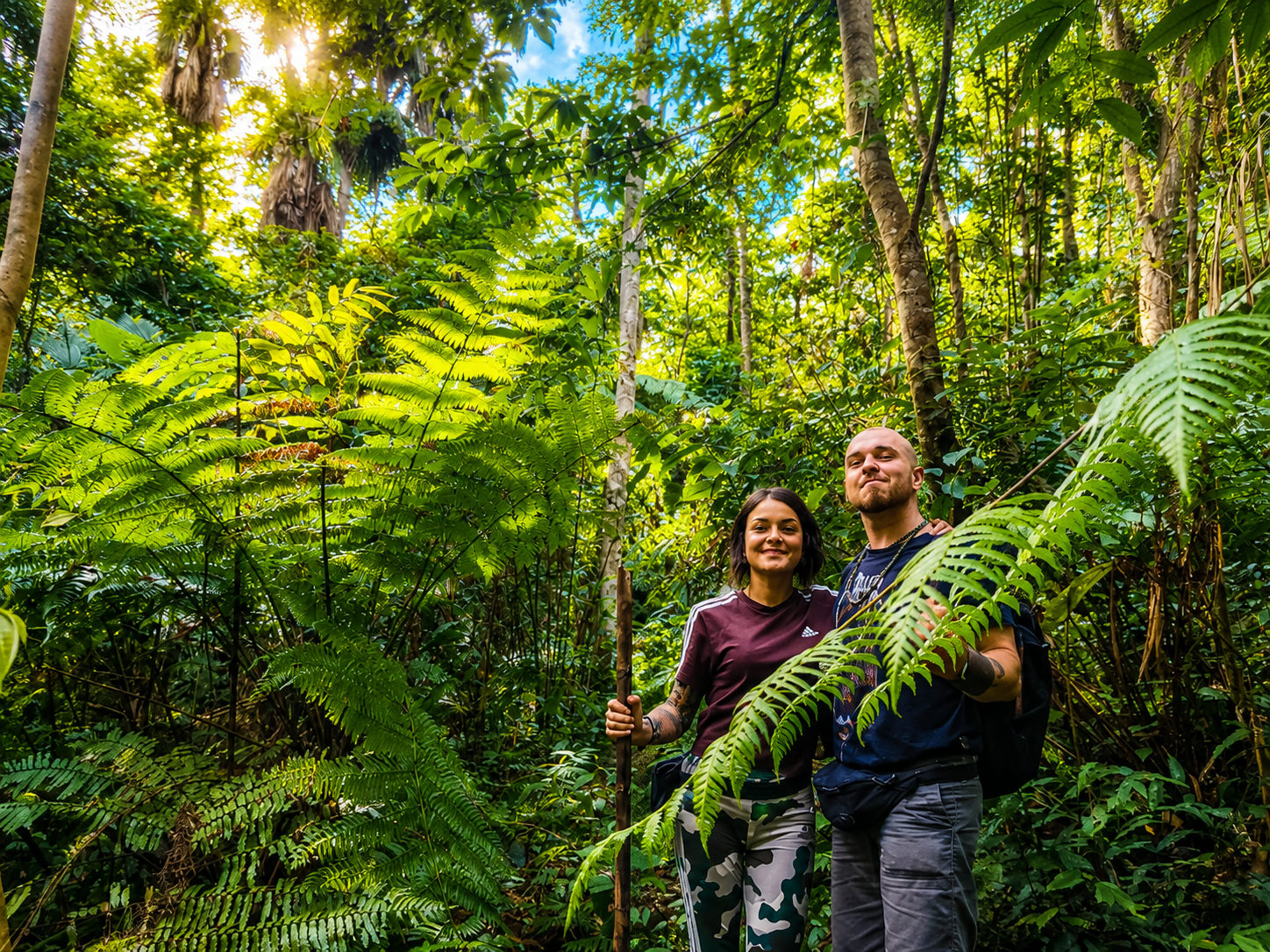
Trekking through bamboo forest and limestone valleys in Pu Luong

Bamboo forests and limestone landscapes shape the most remote trekking paths in Pu Luong.


Day 3 – Walking the Paths of Local Life

Kho Muong → Eo Ken Village → Hanoi

The final day follows narrow paths used daily by farmers and buffaloes.

This is slow, rhythmic walking through rice paddies and quiet hamlets, where children play, elders rest, and life moves gently with the land.

After reaching Eo Ken Village, the journey concludes and you return to Hanoi in the late afternoon — tired in body, clear in mind.

Walking time: ~5–6 hours
Focus: Rural life, farming paths, peaceful landscapes

For travelers who have more time and prefer a deeper, unhurried experience, our Pu Luong Trekking 4 Days – A Deep & Slow Walking Journey allows you to fully settle into village life and quiet forest paths.

Strong hikers may consider extending the route toward Pu Luong Peak, the highest point of the reserve.

Traditional village homestay overnight in Pu Luong trekking journey

Nights in Pu Luong are quiet, simple, and deeply grounding.


What is Included in a Pu Luong 3 Days 2 Nights Trekking Tour

A typical Pu Luong 3 days 2 nights trekking tour includes:

– Private local trekking guide
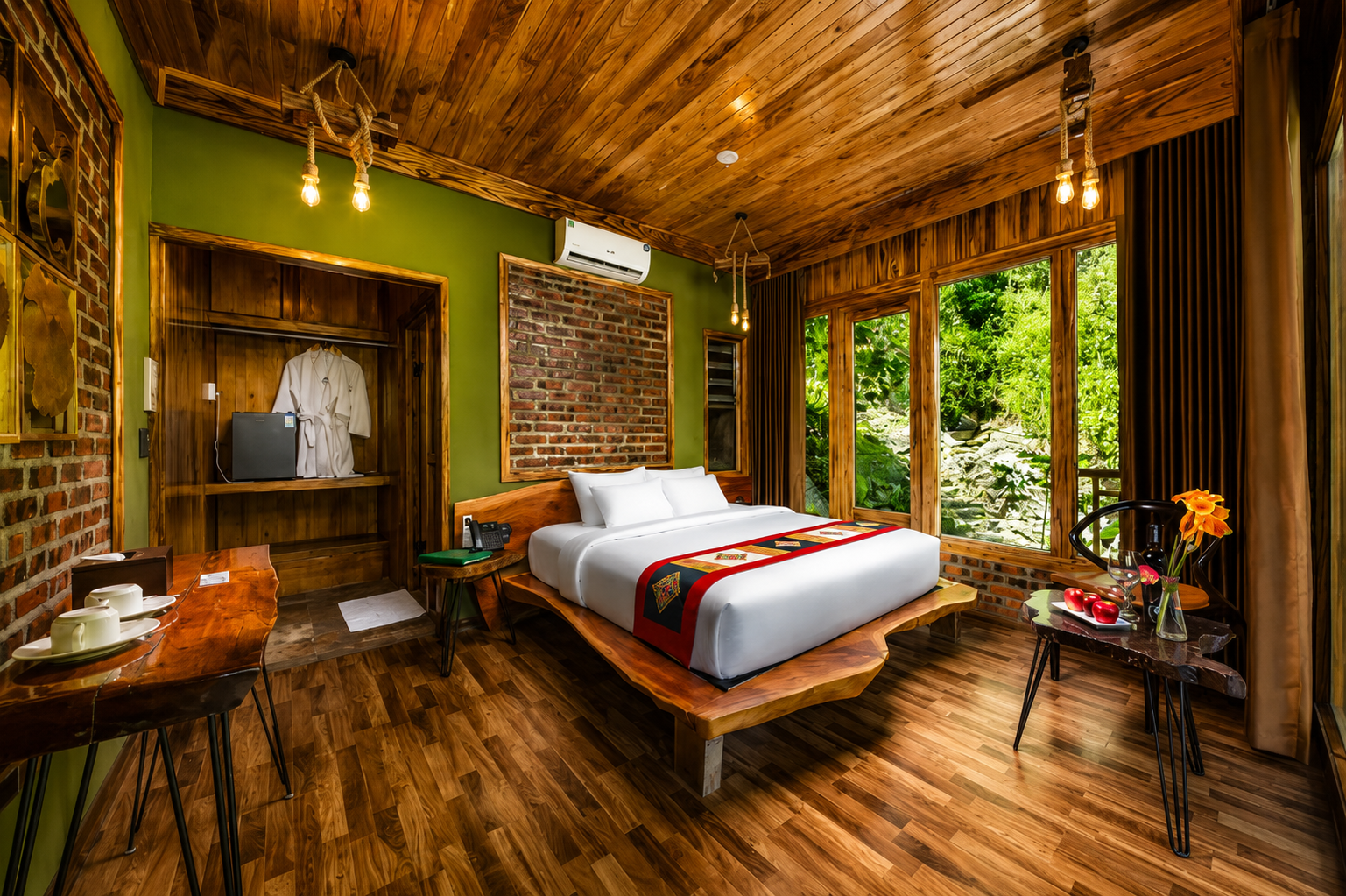
– Two nights accommodation in eco lodge or village homestay
– Meals during trekking days
– Entrance fees and trekking permits
– Route planning based on fitness level

Transportation from Hanoi or Ninh Binh can also be arranged depending on travel plans.


Is This Journey Right for You?

This journey is ideal if you:

  • Enjoy long walks and nature immersion

  • Prefer private, non-commercial experiences

  • Value cultural depth over comfort luxury

  • Are comfortable with basic village accommodation

  • Seek quiet, presence, and authenticity

This journey may not suit travelers looking for resorts, short walks, or sightseeing by vehicle. A one-day cultural introduction to Pu Luong

Walking farming paths and village trails in Pu Luong trekking

The final day follows paths used daily by farmers and buffaloes.


What to Pack for a Pu Luong Trek

For a Pu Luong 3 days trekking journey, packing light but practical makes the walk more comfortable.

Recommended items include:

• Well-broken-in trekking shoes
• Lightweight, breathable clothing
• A warm layer for cool mornings and evenings
• A small backpack for water, sunscreen, and daily essentials

Because trekking routes pass through rice terraces, bamboo forests, and village paths, comfortable walking gear is essential.

Travelers often underestimate the humidity and uneven village paths when trekking in Pu Luong.

To prepare well for the journey, you may find it helpful to read about practical packing list for Pu Luong.


Is 3 Days Enough for Pu Luong Trekking?

For most travelers, three days is the ideal duration for trekking in Pu Luong.

A 2-day trek often feels rushed, allowing only surface-level walks near main villages. On the other hand, journeys longer than four days are better suited for experienced trekkers seeking remote, challenging routes.

With a Pu Luong 3 days 2 nights trekking itinerary, you have enough time to walk through rice terraces, rest by streams, stay overnight in village homes, and adjust your pace to the terrain. It allows space for slow mornings, unplanned conversations, and moments of stillness — which are often the most memorable parts of trekking in Pu Luong.

Many travelers wonder whether a Pu Luong 3 days trekking tour is suitable for beginners. In most cases, yes. The walking routes are flexible, and daily distances can be adjusted depending on fitness levels. This journey focuses more on rhythm and observation than physical challenge.

A typical Pu Luong 3 days 2 nights trekking tour includes a private local guide, village accommodation, meals along the route, and all trekking permits. The experience is not about luxury facilities, but about comfort, care, and local connection.

Choosing a private trek in Pu Luong is often worth it for travelers who value privacy, flexibility, and quiet paths. Walking with a local guide allows you to take alternative trails, avoid crowded routes, and understand village life beyond what group tours usually offer.

Villages along the walking route

Several remote villages encountered during this 3-day journey are part of Pu Luong’s lesser-known trekking landscape. These villages—rarely accessible by vehicle—are explored slowly on foot and are described in more detail in our guide to the best villages for trekking in Pu Luong, where landscape, walking difficulty, and seasonal rhythm are explained village by village.


Pu Luong Trekking Difficulty for a 3 Day Trek

Trekking difficulty in Pu Luong is generally considered moderate, but a 3 day trekking journey still requires a reasonable level of physical fitness.

During a typical Pu Luong 3 days 2 nights trekking tour, travelers usually walk between 5–8 hours per day on village trails, rice terrace paths, bamboo forests, and small mountain tracks. The terrain includes gradual ascents, descents, and uneven ground, but there are no technical climbing sections.

Most trekking routes follow traditional paths used daily by local farmers, connecting villages such as Hieu, Uoi, Lan, and Kho Muong.

For travelers who enjoy nature walking and slow exploration, the challenge feels balanced rather than exhausting. If you would like to understand the terrain in more detail, you can read our full guide about Pu Luong trekking difficulty levels, where different routes and fitness levels are explained more clearly.


How Far Do You Walk During a Pu Luong 3 Day Trek?

A typical Pu Luong 3 days trekking journey involves walking between 10–15 kilometers per day, depending on the route, terrain, and pace of the group.

Most trekking routes follow traditional village trails connecting rice terraces, bamboo forests, and remote Thai ethnic villages inside Pu Luong Nature Reserve. While the daily distance may not appear long, the terrain includes narrow paths, gradual ascents, and uneven ground that require steady walking.

During a standard Pu Luong 3 days 2 nights trekking itinerary, travelers usually walk:

Day 1: 5–7 km through rice terraces and village trails
Day 2: 12–15 km across valleys, bamboo forests, and limestone hills
Day 3: 8–10 km along farming paths connecting small villages

Because the journey follows the slow walking philosophy, trekking is not about covering the longest distance. Instead, the pace allows time to rest, observe village life, and enjoy the changing landscapes of Pu Luong.


Best Time for a Pu Luong 3 Days Trek

Pu Luong can be visited throughout the year, but certain seasons offer especially beautiful landscapes for a 3 day trekking journey.

The most popular time for a Pu Luong 3 days 2 nights trekking tour is during the rice seasons.

May – June: young green rice terraces covering the valleys.

September – October: golden rice harvest creating one of the most scenic landscapes in northern Vietnam.

Outside the rice seasons, Pu Luong remains peaceful and attractive for trekking. Winter months often bring misty mountain views and quieter trails, while summer offers lush forests and flowing streams.

Choosing the right season can greatly influence your trekking experience. If you want a deeper understanding of seasonal landscapes, you can explore our guide to the best time for Pu Luong trekking.

Weather conditions can influence trail safety and trekking comfort, especially during the rainy months. You can learn more about seasonal conditions in our Pu Luong weather guide


Pu Luong Trekking Map

Most Pu Luong trekking routes are located inside the valleys of Pu Luong Nature Reserve in Thanh Hoa Province.

Popular trekking areas include:

• Don Village
• Uoi Village
• Lan Village
• Kho Muong Village
• Hieu Village

These villages are connected by traditional walking trails crossing rice terraces, bamboo forests, and small mountain streams.

For a visual overview of the trekking routes, you can explore our detailed guide:

Pu Luong trekking map


Why a Pu Luong 3 Days Trekking Itinerary Works Well

For many travelers, a Pu Luong 3 days trekking itinerary offers the ideal balance between exploration and rest. Shorter trips often focus only on the villages near the valley entrance, while longer expeditions are better suited for experienced hikers seeking remote mountain routes.

With three days inside Pu Luong Nature Reserve, travelers can walk through multiple landscapes — from rice terraces and bamboo forests to limestone valleys and traditional Thai villages. The additional time also allows space for slower mornings, conversations with local families, and moments of quiet observation that define the spirit of trekking in Pu Luong.


Can this itinerary be adjusted?

Absolutely.

Every Pu Luong trekking journey is personally designed.
Walking distance, daily rhythm, rest time, accommodation, and even villages visited can be adjusted based on:

  • Your fitness level

  • Travel style

  • Weather conditions

  • Cultural interests

This flexibility is at the heart of our slow travel philosophy.


Pu Luong 3 Days vs 2 Days

Many travelers wonder whether they should choose a Pu Luong 2 day trip or a 3 day trekking tour.

Both options are popular, but the experience can be quite different.

Pu Luong 2 Days

• Short introduction to the region
• Limited trekking distance
• Suitable for travelers with limited time

Pu Luong 3 Days

• More time for village trekking
• Access to remote valleys and hidden trails
• A slower travel experience with deeper cultural interaction

For travelers who enjoy walking and nature, a Pu Luong 3 days trekking tour is generally considered the best way to explore the reserve.

You can compare both journeys in our detailed guide:

Pu Luong 2 days 1 night itinerary

Travelers who want more flexibility in choosing trekking routes or travel duration can also explore different Pu Luong trekking packages, which include options from short 2 day trips to longer trekking journeys inside the reserve.

How Many Days Should You Spend in Pu Luong?

For most travelers, three days is the ideal amount of time to explore Pu Luong Nature Reserve.

A two-day visit can introduce the main valleys and villages near the entrance of the reserve, but the pace often feels rushed. With limited time, trekking routes usually stay close to the more accessible areas.

A Pu Luong 3 days trekking journey, however, allows travelers to move deeper into the landscape. Over three days, you can walk through rice terraces, cross bamboo forests, visit remote Thai villages, and spend two quiet nights in local homestays.

This slower rhythm gives time for longer village walks, conversations with local families, and moments of rest between trekking routes.

Travelers who prefer a deeper immersion or more challenging routes may choose four or five days in Pu Luong, which allows exploration of more remote valleys and higher mountain trails.

For many visitors, however, three days offers the perfect balance between trekking distance, cultural experience, and time in nature.


Planning a Pu Luong 3 days trekking journey often brings a few practical questions. Travelers frequently ask about walking difficulty, village accommodation, and what daily life on the trail really feels like. The following answers may help you prepare for the journey.

Is a Pu Luong 3 days trekking journey suitable for everyone?

This journey is designed for travelers who enjoy long walking days and natural terrain, rather than sightseeing by vehicle.

You don’t need technical climbing skills, but you should feel comfortable walking 6–8 hours a day on forest paths, village trails, and uneven ground.

If you enjoy moving slowly, listening to the land, and letting the journey unfold naturally, this experience will feel deeply rewarding.


What does “slow walking” mean in a Pu Luong trekking journey?

Slow walking does not mean easy or short.

It means walking with intention, allowing time to stop, observe, talk with locals, and rest when needed — instead of rushing to reach a destination.

In Pu Luong, slow walking allows you to notice small details: the rhythm of farming life, the sound of water wheels, children walking home from school, and the quiet transitions between villages.

This is where the real experience lives.


How private is a Pu Luong 3 days trekking tour?

This is a fully private journey, designed only for you and your travel companions.

There are no fixed group departures, no strangers joining, and no rigid schedules.
The pace, walking rhythm, and daily flow are adjusted to your comfort and energy level.

Privacy allows the journey to remain calm, flexible, and deeply personal.


What kind of accommodation should I expect?

Accommodation reflects the spirit of the journey.

You will stay in simple, clean village homestays, run by local families. Rooms are private whenever possible, with basic comfort, mosquito nets, and shared cultural spaces.

This is not luxury accommodation — but it offers something far more rare:
quiet nights, real conversations, and a sense of belonging, even if only for one evening.


Will I be guided by professional trekking guides?

You will be guided by local guides from the villages, people who grew up walking these trails daily.

They are not storytellers trained by tourism companies — they are storytellers because this land is their life.

They understand the terrain, weather patterns, village etiquette, and the natural rhythm of Pu Luong far better than any map or app.


What is the best season for this trekking journey?

The most scenic periods are:

  • May – June: fresh green rice terraces

  • September – October: golden harvest season

However, Pu Luong offers beauty year-round.
Each season brings a different atmosphere — misty mornings, flowing waterfalls, or quiet forest paths.

We design each journey according to the season to ensure safety and comfort.


How physically demanding is a Pu Luong 3 days trek?

This is a physically demanding journey, but not technical.

There are long walking days, steady ascents, descents, and uneven paths — but no climbing, ropes, or dangerous sections.

If you are reasonably active and enjoy walking in nature, the challenge will feel honest and fulfilling rather than exhausting.

Because the journey involves long walking days and remote areas, understanding local terrain and conditions is essential. Learn more about whether Pu Luong trekking is safe and how local guides ensure a secure experience.

How much does a private Pu Luong 3 days 2 nights trekking tour cost?

The cost of a private Pu Luong 3 days 2 nights trekking tour depends on group size, season, and accommodation preferences.

For small private groups, prices usually start from a mid-range private trekking rate per person and typically include:

– Local trekking guide
– Village accommodation
– Meals during the trek
– All trekking permits

Because each journey is designed privately, we provide a transparent quotation based on your walking pace, group size, and travel style.

Is Pu Luong better than Sapa for trekking?

Both destinations offer beautiful mountain landscapes, but the experience is very different.

Sapa is famous for dramatic mountain scenery and high-altitude trekking, but it has become one of the busiest tourist destinations in northern Vietnam. Many trekking routes pass through crowded villages and large tour groups.

Pu Luong, in contrast, offers a quieter and more intimate trekking experience. Trails connect small Thai ethnic villages, rice terraces, bamboo forests, and traditional farming landscapes with far fewer visitors.

For travelers seeking peaceful walking, cultural immersion, and slower travel, Pu Luong often feels more authentic and relaxing than Sapa.

How does Pu Luong trekking compare with Sapa trekking?

The main difference lies in the atmosphere and trekking style.

Sapa trekking often focuses on reaching viewpoints and mountain landscapes, sometimes involving steeper terrain and more developed tourism infrastructure.

Pu Luong trekking focuses more on village life and slow exploration. Trails follow traditional paths used by farmers, crossing rice terraces, bamboo groves, and small valleys where daily life continues much as it has for generations.

Because of this, many travelers describe Pu Luong as a more peaceful alternative to Sapa, especially for those who prefer quiet walking journeys and deeper cultural encounters.

Is Pu Luong worth visiting for trekking?

Yes, Pu Luong is considered one of the most rewarding trekking destinations in northern Vietnam for travelers who prefer nature, quiet landscapes, and authentic village life.

Unlike more developed mountain regions, Pu Luong offers a network of traditional walking trails connecting rice terraces, bamboo forests, and small Thai ethnic villages where daily life continues much as it has for generations.

Trekking here is less about reaching dramatic viewpoints and more about experiencing the rhythm of the land — farmers working in the fields, water wheels turning along streams, and peaceful evenings in village homes.

For travelers seeking a slower and more immersive trekking journey, Pu Luong is often described as one of the hidden gems of northern Vietnam.

A Pu Luong 3 days trekking journey offers one of the most peaceful ways to explore northern Vietnam’s rice terrace landscapes and ethnic villages. With quiet trails, local guides, and slow walking through remote valleys, the experience reveals a side of Vietnam that many travelers never see.


Why are prices not published?

Because no two journeys are the same.

Pricing depends on group size, season, accommodation choice, walking pace, and level of customization.

Rather than offering a fixed package, we prefer to design the journey with you, ensuring it feels right — not rushed, not generic.

Pu Luong trekking 3 days is a private, slow walking journey through rice terraces, forests, and remote villages. Designed for mindful travelers, this experience focuses on deep local connection, flexible pace, and walking with local guides rather than rushing through tourist highlights.

This journey is especially suitable for travelers coming from Ninh Binh who want to slow down after visiting the region’s main highlights.

Want to understand our philosophy before choosing a route? Visit the homepage for an overview of journeys, travel journal stories, and how we guide. 

A Pu Luong 3 days trekking journey offers the perfect balance between nature, village life, and slow travel experiences. If you are planning your trip in more detail, you may also find our complete Pu Luong travel guide helpful for understanding the region before visiting.

Looking for a different pace — a shorter day trip, a gentler walk, or a family-friendly route? Browse our curated Pu Luong tour collection to compare options before you decide.

Updated for the 2026 trekking season.