
Responsible Travel in Vietnam: Ethical Travel Beyond Mass Tourism
Responsible Travel in Vietnam: How to Travel Ethically Beyond Mass Tourism
Responsible travel in Vietnam is not only about avoiding plastic bottles or choosing eco-friendly hotels. It is about travelling in a way that respects local people, protects nature, supports village economies, and creates a deeper connection with the places you visit.
Vietnam is one of Southeast Asia’s most beautiful countries, with rice terraces, limestone mountains, ethnic villages, caves, rivers, beaches and ancient towns. But as tourism grows, many popular destinations are becoming crowded, commercial and less authentic. For thoughtful travellers, the question is no longer only “Where should I go in Vietnam?” but also “How can I travel in Vietnam in a more responsible way?”
This guide explains what responsible travel means in Vietnam, where to go, what to avoid, and why quiet mountain destinations such as Pu Luong trekking are becoming a meaningful alternative to mass tourism.
What Is Responsible Travel in Vietnam?
Responsible travel in Vietnam means making travel choices that benefit local communities, reduce negative environmental impact, and preserve the cultural identity of each destination. It is closely connected to ethical travel, slow travel, sustainable tourism and community-based tourism.
Vietnam.travel has also promoted slower, more sustainable and community-focused travel experiences across the country.
In simple terms, responsible travellers choose local guides instead of large anonymous operators, stay longer instead of rushing through many places, respect local customs, avoid exploitative activities, and spend money in ways that directly support the people who live in the destination.
Many travellers interested in ethical tourism are also exploring slow travel trekking in Vietnam as an alternative to rushed group travel.
In Vietnam, responsible travel is especially important in mountain areas, ethnic minority villages, national parks, nature reserves and fragile coastal environments. These places are beautiful, but they can be easily damaged by careless tourism, overcrowding or short-term commercial development.
7 Principles of Responsible Travel in Vietnam
Responsible travel in Vietnam is not about following strict rules. It is about travelling with awareness and making choices that protect local culture, support communities and reduce harm to the environment. These principles can help travellers experience Vietnam more ethically and authentically.
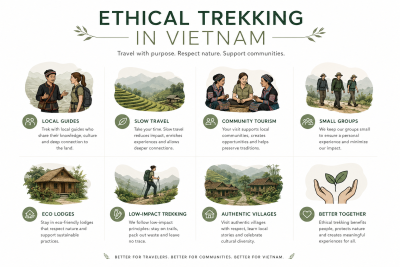
Ethical trekking focuses on local communities, slow travel and low-impact tourism.
1. Travel Slower
One of the biggest problems in modern tourism is rushing through destinations too quickly. Responsible travellers spend more time in fewer places. Instead of visiting five destinations in one week, they choose deeper experiences that allow meaningful connection with local life.
This is one reason many travellers are now choosing slow travel trekking in Vietnam instead of fast group tours.
2. Choose Local Guides
Local guides create more than just a walking route. They explain customs, farming traditions, village etiquette and seasonal life in the mountains. Booking local guides also keeps tourism income inside the community instead of sending most profits to outside companies.
3. Respect Village Privacy
Villages in northern Vietnam are living communities, not tourist attractions. Responsible travellers avoid entering private homes without permission, taking intrusive photos or treating local people as entertainment.
4. Avoid Mass Tourism
Large group tours often create noise, waste and pressure on small communities. Responsible travellers usually prefer smaller groups, private experiences and quieter destinations where tourism remains more balanced.
5. Support Local Families
Choosing family-run accommodation, local restaurants and village-based experiences helps tourism directly benefit local people. In mountain areas such as Pu Luong Nature Reserve, this can help families maintain traditional farming and village life.
6. Reduce Waste and Plastic
Plastic pollution is becoming a serious issue in many travel destinations in Vietnam. Carrying a reusable water bottle, refusing unnecessary plastic bags and avoiding litter on trekking routes can make a significant difference.
7. Choose Authentic Experiences
Responsible travel is not about collecting Instagram photos. It is about experiencing real culture, nature and local life. Authentic trekking experiences usually focus more on connection, local interaction and understanding the landscape rather than rushing between viewpoints.
Why Responsible Travel Matters in Vietnam Today
Vietnam has become a major travel destination in Asia. Famous places such as Ha Long Bay, Sapa, Hoi An, Ninh Binh and Phu Quoc attract millions of visitors every year. Tourism brings income and opportunity, but it also creates pressure on local culture, natural landscapes and everyday life.
The global tourism industry is increasingly focusing on sustainability and long-term destination protection through frameworks supported by the World Travel & Tourism Council.
In some destinations, travellers may experience crowded viewpoints, staged cultural shows, souvenir pressure, traffic congestion, waste problems, overbuilt accommodation and a loss of local identity. This does not mean travellers should avoid Vietnam. It means they should travel more consciously.
Responsible travel helps shift tourism away from mass consumption and toward meaningful connection. Instead of only taking photos, travellers can learn from local people, walk through real villages, eat seasonal food, support family-run businesses and understand the landscape they are visiting.
Responsible Travel vs Sustainable Travel vs Eco Travel
These terms are often used together, but they are not exactly the same.
Responsible Travel
Responsible travel focuses on the choices made by travellers and tour operators. It asks: does this trip respect local people, culture, nature and community wellbeing?
Sustainable Travel
Sustainable travel focuses on long-term balance. It asks whether tourism can continue without damaging the environment, local society or future generations.
Eco Travel
Eco travel usually focuses more on nature, wildlife, low-impact activities and conservation. In Vietnam, this often includes trekking, nature reserves, national parks, cycling, kayaking and village stays.
Many travellers researching ethical tourism also follow platforms such as Responsible Travel, which promote community-based and low-impact tourism experiences.
The best trips combine all three. For example, a private trek in Pu Luong with a local guide, village lunch, slow walking pace and respect for local customs is responsible, sustainable and eco-conscious at the same time. You can learn more in this related guide to sustainable eco trekking in Pu Luong.
Best Responsible Travel Destinations in Vietnam
Vietnam has many destinations where travellers can experience nature, culture and local life in a more responsible way. The key is to choose places where tourism still supports local communities instead of replacing them.
Pu Luong Nature Reserve
Pu Luong is one of the best destinations for responsible travel in Vietnam because it combines rice terraces, Thai and Muong villages, bamboo forests, limestone mountains and quiet trekking routes. Unlike more commercial mountain towns, Pu Luong still feels peaceful, rural and deeply connected to local life.
Travellers can walk between villages, meet local families, stay in simple homestays or eco lodges, and explore the landscape with local guides who understand the culture and trails. For travellers who want authentic trekking without the crowds, Pu Luong Nature Reserve is one of the strongest choices in northern Vietnam.
Ha Giang
Ha Giang is famous for dramatic limestone mountains, high passes and ethnic minority cultures. It can be a powerful responsible travel destination when travellers choose local homestays, respect village life and avoid treating remote communities as photo attractions.
However, Ha Giang is also becoming more popular, especially along the motorbike loop. Responsible travellers should avoid unsafe driving, overcrowded group tours and disrespectful photography in ethnic villages.
Cao Bang
Cao Bang offers waterfalls, limestone valleys, rivers, traditional villages and a slower atmosphere than many famous destinations. It is a good choice for travellers interested in landscapes, local culture and less commercial routes.
Responsible travel in Cao Bang means staying longer, supporting local guesthouses, visiting villages respectfully and avoiding rushed sightseeing that only focuses on taking photos at Ban Gioc Waterfall.
Ba Be National Park
Ba Be is a peaceful destination with a large freshwater lake, forest, caves and Tay villages. It is suitable for travellers who enjoy nature, boat trips, homestays and quiet rural experiences.
Responsible travel in Ba Be means choosing small-scale local services, avoiding noise pollution on the lake and respecting the slower rhythm of village life.
Phong Nha
Phong Nha is known for caves, rivers, jungle and adventure travel. It can be a responsible travel destination when travellers choose licensed operators, follow conservation rules and avoid activities that damage caves or fragile ecosystems.
For travellers comparing mountain trekking and cave adventure, this guide to Pu Luong or Phong Nha can help choose the right experience.
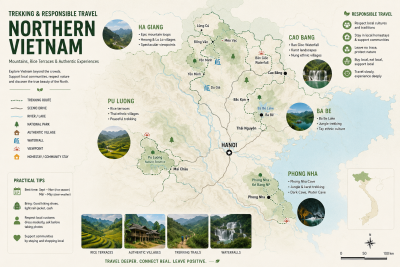
Northern Vietnam offers many destinations suitable for responsible and slow travel.
Why Pu Luong Is One of the Best Places for Responsible Travel in Vietnam
Pu Luong is not only a beautiful destination. It is also a strong example of how tourism can remain small-scale, local and meaningful when planned carefully. For many travellers, Pu Luong trekking represents a slower and more authentic alternative to mass tourism in Vietnam.
The best way to experience Pu Luong is not by rushing from viewpoint to viewpoint. It is by walking slowly through rice terraces, bamboo forests, water wheels, stilt-house villages and quiet valleys with someone who knows the land. This is why Pu Luong fits naturally with slow travel trekking in Vietnam.
Unlike mass tourism destinations, Pu Luong still gives travellers the feeling of being close to real village life. You may see farmers working in rice fields, families cooking by the fire, children walking home from school, buffalo moving through the valley and local people weaving, farming or preparing food.
Responsible tourism in Pu Luong should protect this atmosphere, not turn it into a performance. That means using local guides, choosing private or small-group treks, respecting village privacy, staying on existing trails, avoiding loud behaviour and supporting local families whenever possible.
Why Private Trekking Supports Responsible Tourism Better
Private trekking experiences are often more responsible than large group tours because they reduce pressure on trails, villages and local families. Smaller groups create quieter interactions and allow travellers to adapt their pace naturally to the environment.
In destinations such as Pu Luong trekking, private trekking also helps preserve the peaceful atmosphere that makes the region special. Instead of moving quickly with a large group, travellers can spend time learning about rice farming, local traditions, bamboo water wheels and village life.
Private tours also create more flexibility. During hot weather, guides can choose shaded jungle routes. During harvest season, travellers may spend more time in the rice terraces. This creates a more respectful relationship with the landscape rather than forcing the destination to adapt to mass tourism schedules.
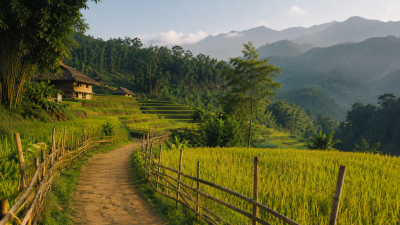
Quiet trekking routes help preserve the peaceful atmosphere of Pu Luong.
Local Life in Pu Luong: A Different Type of Travel Experience
One reason responsible travellers are increasingly choosing Pu Luong is because daily life still feels authentic and connected to the land.
During the rice harvest season, travellers often walk past families drying rice beside traditional stilt houses while buffalo move slowly through the valleys below. In quieter villages, children still walk home along small mountain paths surrounded by bamboo forests and rice terraces.
Many travellers today are inspired by deeper cultural and nature-based journeys similar to the storytelling style promoted by National Geographic Travel.
Unlike some heavily commercial trekking towns in Asia, many villages in Pu Luong still have little souvenir pressure and a slower rhythm of life. This creates a more meaningful atmosphere for travellers seeking genuine connection rather than entertainment tourism.
For travellers looking for quieter trekking routes and authentic village experiences, this guide to Pu Luong trekking routes and trails offers a deeper look into the region.
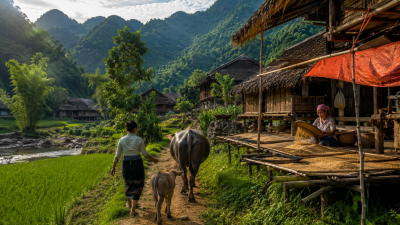
Village life in Pu Luong remains closely connected to farming and local traditions.
How to Travel Responsibly in Vietnam
Choose Local Guides and Local Operators
One of the most effective ways to travel responsibly in Vietnam is to book with local guides and locally based operators. This keeps more income inside the destination and gives travellers a more authentic understanding of the place.
In trekking areas, a local guide can explain village customs, seasonal farming, forest trails, cultural details and what behaviour is respectful. This is especially important in ethnic minority regions such as Pu Luong, Ha Giang, Sapa and Cao Bang.
How Local Guides Help Communities in Vietnam
Local guides play a major role in responsible tourism because they help tourism income remain inside local communities instead of flowing mainly to large outside companies. In many rural and mountain areas of Vietnam, guiding creates important work opportunities that allow local families to continue living in their villages while preserving traditional culture and farming life.
A good local guide offers much more than transportation or navigation. They explain village customs, rice farming traditions, seasonal changes, local beliefs and how travellers can behave respectfully in ethnic minority communities. This creates a deeper and more meaningful travel experience compared to standard mass tourism.
In trekking destinations such as Pu Luong, local guides often know hidden bamboo forest trails, quiet rice terrace routes and traditional villages far beyond the main tourist paths. They also help travellers understand the rhythm of local life instead of simply rushing between viewpoints.
During harvest season in northern Vietnam, travellers may walk through villages where families are drying rice beside traditional stilt houses while buffalo move slowly through the valleys below. Local guides help visitors understand these moments with cultural respect instead of treating them only as photography opportunities.
Responsible travel also becomes easier with local guidance. Guides can explain when photography may feel intrusive, which trails should be avoided during heavy rain, and how tourism affects village life over time. This helps reduce negative impact while creating stronger connection between travellers and communities.
For travellers looking for slower and more meaningful experiences, locally guided journeys through Pu Luong trekking create a more authentic connection with both the landscape and the people who live there.
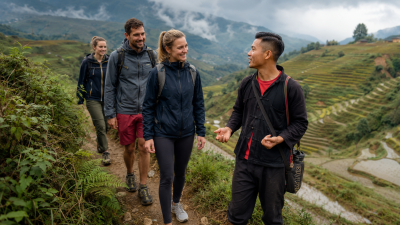
Local guides help create more meaningful and community-focused travel experiences.
Community-Based Tourism in Vietnam
Community-based tourism focuses on creating direct benefits for local people instead of concentrating tourism profits in large outside companies. In Vietnam, this model is becoming increasingly important in mountain regions, ethnic minority villages and rural destinations.
In many parts of northern Vietnam, travellers now stay in family-run homestays, eat meals prepared by local families and explore villages with local guides. When managed carefully, this type of tourism helps preserve traditional culture while also creating income for local communities.
However, community-based tourism only works when tourism grows slowly and respectfully. If destinations become overcrowded or highly commercialised, local culture can gradually become performance-based instead of naturally lived.
This is one reason quieter destinations such as Pu Luong Nature Reserve are attracting travellers looking for more meaningful and locally connected experiences.
Travel Slower
Fast travel often creates more transport emissions, more pressure on destinations and less meaningful contact with local people. Slow travel gives you time to understand a place beyond the surface.
Many travellers are now choosing slow travel trekking in Vietnam instead of rushed multi-destination itineraries.
Instead of trying to visit Hanoi, Ha Long Bay, Sapa, Ninh Binh, Hoi An and Ho Chi Minh City in one short trip, consider spending more time in fewer places. A slower route could include Hanoi, Ninh Binh and a deeper mountain experience such as Pu Luong trekking 3 days.
Stay in Locally Owned Accommodation
Family-run homestays, small eco lodges and local guesthouses often create more direct benefits for communities than large anonymous hotels. In rural Vietnam, this can help families earn income without leaving their villages.
Responsible accommodation does not always mean luxury. Sometimes it means simple rooms, local food, honest hospitality and a real connection to the place.
Respect Local Culture
Vietnam is culturally diverse. Customs in a Thai village in Pu Luong may be different from a Hmong village in Ha Giang or a Tay village in Ba Be. Responsible travellers should dress respectfully, ask before taking close-up photos, avoid entering private homes without permission and listen to local guidance.
Do not treat ethnic minority communities as tourist objects. A village is not a museum. It is someone’s home.
Avoid Exploitative Wildlife and Souvenir Activities
Responsible travellers should avoid buying products made from endangered wildlife, coral, rare wood or protected species. They should also avoid attractions that exploit animals for entertainment.
Vietnam has rich biodiversity, but natural ecosystems are fragile. Travellers should support experiences that protect nature instead of turning it into a commodity.
Reduce Plastic and Waste
Plastic waste is a serious issue in many travel destinations. Bring a reusable bottle, refuse unnecessary plastic bags, avoid single-use items when possible and carry your rubbish until you find a proper bin.
In mountain and trekking areas, never leave plastic, tissues, food packaging or cigarette ends on the trail.
Responsible trekking in Vietnam also follows many of the environmental principles promoted by Leave No Trace, especially in mountain and nature reserve areas.
Choose Walking, Cycling and Low-Impact Activities
Walking and cycling are among the best ways to experience Vietnam responsibly. They create less noise, less pollution and more direct connection with the landscape.
In Pu Luong, trekking is not only an activity. It is the most natural way to understand the rhythm of the valleys, villages and rice terraces. For route ideas, see this guide to Pu Luong trekking routes and trails.
Responsible Travel Red Flags in Vietnam
Not all “eco” or “ethical” tours are truly responsible. Some tourism experiences use sustainability only as marketing while still creating pressure on communities and the environment.
Tours That Bring Large Groups Into Small Villages
When large groups repeatedly enter quiet villages, local life can become disrupted. Noise, waste and constant photography may slowly damage the atmosphere that travellers originally came to experience.
Staged Cultural Performances
Some tours create artificial “ethnic experiences” designed only for tourists. Responsible travel should support real local culture rather than turning communities into performances.
Overpacked Itineraries
Itineraries that try to cover Hanoi, Ha Long Bay, Sapa, Ninh Binh and Ha Giang in a few days often create shallow experiences and unnecessary transport pressure. Responsible travel is usually slower and more intentional.
Wildlife Exploitation
Avoid tours or attractions that exploit animals for entertainment or encourage the sale of products made from endangered wildlife.
Disrespectful Photography
In some mountain areas, travellers photograph children and elderly people without permission. Responsible travellers ask first and respect privacy, especially in ethnic minority communities.
Responsible Travel Mistakes We Avoid in Northern Vietnam
Over the years, many mountain destinations in northern Vietnam have experienced increasing tourism pressure. Some mistakes may seem small, but repeated every day by thousands of visitors, they can slowly damage local culture and village life.
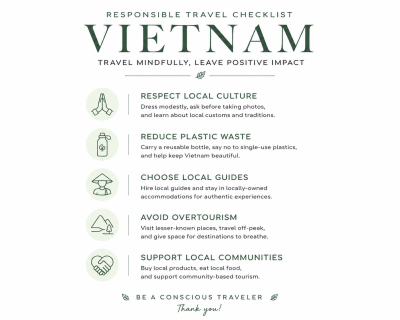
Simple responsible travel habits can create a more meaningful travel experience.
Large Loud Trekking Groups
Small villages are not designed for large noisy tour groups. Responsible trekking experiences should feel calm, respectful and connected to the environment rather than crowded and disruptive.
Entering Homes Without Permission
Traditional stilt houses may look interesting to visitors, but they are still private family spaces. Responsible travellers always wait for invitation or permission before entering homes.
Treating Villages Like Photo Attractions
Many travellers visit mountain villages only for photography. Responsible travel means interacting respectfully with people instead of viewing local communities as visual objects.
Rushing Through Destinations Too Quickly
Trying to visit too many places in a short time often creates shallow travel experiences and unnecessary environmental pressure. Slow travel allows deeper understanding and more meaningful local connection.
Ignoring Seasonal Conditions
Mountain trekking routes change with weather and farming seasons. During heavy rain, some trails become fragile or unsafe. Responsible travellers respect local advice and adapt naturally to seasonal conditions.
What Responsible Travellers Should Avoid in Vietnam
Responsible travel is also about knowing what not to do. Some activities may look harmless but can damage local culture, nature or safety.
Avoid Overcrowded Photo Stops
Some places become popular mainly because of social media. Travellers arrive quickly, take photos and leave without understanding the local context. This can create crowding, safety risks and frustration for residents.
Avoid Bargaining Too Aggressively
Bargaining is part of local markets in Vietnam, but pushing too hard over a very small amount of money can be disrespectful. Responsible travellers understand that a few dollars may mean more to a local vendor than to a visitor.
Avoid Disrespectful Photography
Always ask before taking close-up photos of people, especially elderly people, children and ethnic minority communities. Do not enter homes, kitchens or private spaces just for photos.
Avoid Large Group Tours in Fragile Villages
Large groups can overwhelm small villages, create noise and reduce the quality of interaction. Private or small-group travel is usually better for both travellers and local communities.
Responsible Travel Itinerary Idea in Northern Vietnam
If you want to build a responsible travel route in northern Vietnam, avoid rushing. A good itinerary should combine culture, nature and enough time to stay present.
Day 1–2: Hanoi
Begin in Hanoi, but explore beyond the most crowded photo spots. Visit local markets, old neighbourhoods, small cafes and museums. Learn about Vietnamese history and daily life before travelling into the mountains.
Day 3–4: Ninh Binh
Ninh Binh offers limestone landscapes, rivers, temples and countryside cycling. Choose local boat routes, avoid peak times when possible and stay in family-run accommodation outside the busiest areas.
Day 5–7: Pu Luong
Continue to Pu Luong for a deeper mountain experience. Spend at least two or three days walking through rice terraces, bamboo forests and ethnic Thai villages. A private trek allows a slower pace, better cultural respect and more flexibility than a rushed group tour. This Pu Luong 2 days itinerary is suitable for a short trip, while a three-day journey gives more time for remote trails and village life.
Travellers wanting a deeper mountain experience often choose Pu Luong trekking 3 days to explore quieter valleys and remote village trails.
What Is Overtourism in Vietnam?
Overtourism happens when the number of visitors becomes too high for a destination to manage sustainably. This can create environmental damage, traffic congestion, waste problems, rising living costs and loss of local identity.
In Vietnam, overtourism is becoming increasingly visible in some famous destinations where tourism infrastructure grows faster than local communities and natural ecosystems can comfortably support.
Crowded viewpoints, noisy group tours, staged cultural performances and excessive construction can gradually change the atmosphere of a destination. Many travellers who once searched only for famous landmarks are now looking for quieter and more authentic alternatives.
This shift is one reason responsible travel and slow travel are becoming major trends in Vietnam today.
Responsible Travel and Overtourism in Vietnam
Overtourism happens when too many visitors put pressure on a destination’s environment, infrastructure and local life. In Vietnam, this can be seen in crowded viewpoints, traffic congestion, waste issues, overbuilt accommodation and cultural performances created mainly for tourists.
UNESCO has increasingly raised concerns about environmental pressure and overtourism in fragile heritage destinations around the world, especially in rapidly growing tourism regions.
Responsible travellers can help reduce overtourism by choosing alternative destinations, travelling outside peak times, staying longer, booking local services and avoiding places that are already under pressure.
This is one reason many travellers are now looking beyond Sapa and Ha Long Bay. For mountain trekking, Pu Luong is a quieter and more authentic alternative. If you are comparing famous and less crowded destinations, read this guide to the best Sapa alternatives.
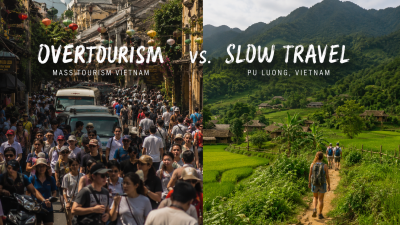
Many travellers are now choosing quieter and more responsible travel experiences in Vietnam.
Is Responsible Travel in Vietnam More Expensive?
Responsible travel is not always more expensive. Sometimes it simply means spending money more carefully.
A cheap tour may look attractive, but if it underpays guides, uses rushed itineraries, creates pressure on villages or provides poor safety, the real cost is paid by local people and the destination. A responsible trip may cost more upfront, but it usually gives better guides, better pacing, better cultural respect and a more meaningful experience.
For travellers who value privacy, nature and authenticity, a locally led private trek can be far more rewarding than joining a large low-cost group tour.
Responsible Travel Tips for Pu Luong
If you visit Pu Luong, travel slowly and respectfully. Walk with a local guide, stay on the trails, greet people politely, ask before taking photos, dress modestly in villages and avoid loud music or intrusive behaviour.
Choose trekking routes that match your fitness level. Do not push guides into unsafe shortcuts during rain or extreme heat. Respect the fact that Pu Luong is both a travel destination and a living homeland for local communities.
The best Pu Luong experience is not about seeing everything quickly. It is about feeling the valley, understanding the rhythm of village life and leaving with respect for the people who make the landscape meaningful.
Final Thoughts: How to Be a Responsible Traveller in Vietnam
Responsible travel in Vietnam is not about being perfect. It is about being aware. Every choice matters: where you stay, who guides you, how long you spend, what you buy, how you behave and what kind of tourism you support.
If you want a deeper and more ethical way to experience Vietnam, choose places where tourism still feels human. Walk instead of rushing. Listen instead of only taking photos. Support local families instead of only consuming destinations.
For travellers seeking rice terraces, mountain trails, ethnic villages and authentic local culture without mass tourism, Pu Luong is one of the best responsible travel destinations in Vietnam. Start with this complete guide to Pu Luong trekking and build your journey around slow, meaningful and locally led travel.
FAQ: Responsible Travel in Vietnam
What does responsible travel mean in Vietnam?
Responsible travel in Vietnam means travelling in a way that respects local culture, protects nature, supports local communities and reduces negative impact on the destination.
What are the best responsible travel destinations in Vietnam?
Some of the best responsible travel destinations in Vietnam include Pu Luong, Ha Giang, Cao Bang, Ba Be National Park and Phong Nha. Pu Luong is especially strong for quiet trekking, rice terraces and authentic village life.
Is Pu Luong good for responsible travel?
Yes. Pu Luong is one of the best places for responsible travel in Vietnam because it offers local guides, village-based trekking, rice terraces, ethnic Thai culture and small-scale tourism away from mass crowds.
How can I avoid overtourism in Vietnam?
You can avoid overtourism in Vietnam by travelling outside peak times, choosing less crowded destinations, staying longer, using local guides and avoiding rushed group tours in fragile places.
Is responsible travel the same as eco travel?
Not exactly. Eco travel focuses mainly on nature and the environment, while responsible travel also includes local culture, community benefit, ethics and traveller behaviour.
Is Pu Luong ethical tourism?
Yes. Pu Luong is considered one of the best destinations for ethical tourism in Vietnam because tourism is still relatively small-scale and closely connected to local village life. Many trekking experiences use local guides, family-run accommodation and community-based tourism models that support local families directly.
Is Sapa overcrowded?
Some areas of Sapa have become overcrowded due to rapid tourism growth, especially during weekends and peak seasons. Busy trekking routes, large hotel developments and commercial tourism have changed the atmosphere in parts of the region. Many travellers now look for quieter alternatives such as Pu Luong for a more authentic experience.
What is community-based tourism in Vietnam?
Community-based tourism in Vietnam focuses on local participation and local benefit. Travellers stay with local families, use local guides and support village economies directly through accommodation, food and cultural experiences.
Is trekking in Vietnam sustainable?
Trekking in Vietnam can be sustainable when travellers choose small groups, local guides, existing trails and responsible operators. Sustainable trekking also includes respecting local culture, reducing waste and supporting communities fairly.
How do local guides help communities?
Local guides help communities by creating local income, preserving cultural knowledge and encouraging responsible tourism behaviour. In mountain regions, guiding can help families remain in their villages while maintaining traditional farming and local culture.
Pu Luong Trekking – Local Travel Experts
Authentic local insights into Pu Luong Nature Reserve, including trekking routes, village experiences, and slow travel journeys in northern Vietnam.
Based on real local experience from guiding travelers in Pu Luong and continuously updated to reflect actual trekking conditions, village life, and seasonal changes in Pu Luong.