
Ethical Trekking Vietnam: Authentic Slow Travel & Responsible Mountain Adventures
Ethical Trekking in Vietnam: How to Travel Deeper Without Destroying the Places You Came to Experience
More travelers are starting to ask a different question before booking a trekking trip in Vietnam. Not “Where is the most famous place?” but “How can I experience Vietnam without contributing to overtourism, cultural performance, or environmental damage?”
Many travelers realize too late that the more tourism grows around a village, the harder it becomes to experience silence — which is often the very thing people were searching for when they came to the mountains.
That shift matters. Over the last decade, some trekking destinations in Vietnam have become increasingly commercialized. Villages once known for quiet mountain life now receive large bus groups, staged encounters, plastic waste, loud karaoke tourism, and aggressive selling targeted at foreign visitors. For travelers seeking authenticity, silence, nature, and meaningful human connection, the experience can feel disconnected from the reason they came to Vietnam in the first place.
Ethical trekking in Vietnam is not about perfection or idealistic “eco slogans.” It is about traveling with awareness. Choosing smaller-scale experiences. Supporting local communities fairly. Walking instead of rushing. Spending time in places that still preserve their rhythm of life. And understanding that authentic travel often happens far away from tourism infrastructure designed for mass consumption.
For travelers looking for slower, quieter, and more community-based trekking experiences, destinations like Pu Luong Nature Reserve are increasingly becoming one of the strongest alternatives to overcrowded trekking regions in Northern Vietnam.
Ethical trekking in Vietnam is not about finding untouched places. It is about choosing slower, smaller, locally guided journeys where village life is not turned into a performance.
What Does Ethical Trekking Actually Mean?
Ethical trekking is often misunderstood as simply “eco tourism.” In reality, it is broader than sustainability labels or reusable water bottles.
An ethical trekking experience usually includes:
• Small-scale and low-impact travel
• Respect for local culture and village life
• Fair payment for local guides and families
• Less environmental pressure on fragile landscapes
• Slower itineraries with deeper cultural interaction
• Routes that avoid overcrowding and tourism exploitation
• Locally operated experiences instead of extractive mass-tourism systems
In Vietnam, this matters especially in mountainous ethnic minority regions where tourism growth has accelerated faster than infrastructure, waste management, and cultural preservation.
Ethical trekking in Vietnam is not about finding untouched places. It is about choosing slower, smaller, locally guided journeys where village life is not turned into a performance.
For a broader look at ethical tourism, overtourism and community-focused experiences, read this complete guide to responsible travel in Vietnam.
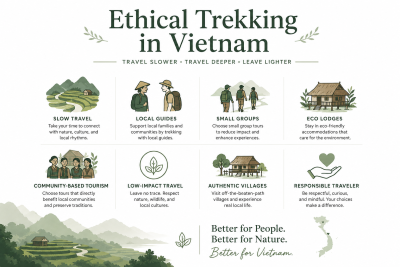
Ethical trekking focuses on slower, smaller, and more community-based travel experiences.
Why More Travelers Are Moving Away From Mass Trekking Tourism
Many experienced travelers arrive in Vietnam searching for rice terraces, mountain villages, and authentic trekking experiences — but eventually feel overwhelmed by the commercialization of famous destinations.
The problem is not tourism itself. Tourism can create jobs and support local communities. The problem begins when destinations become dependent on high-volume visitor models that prioritize quantity over cultural and environmental balance.
Common signs of overtourism in trekking destinations include:
• Large tour groups dominating trails
• Noise pollution in villages
• Cultural performances staged only for tourists
• Heavy plastic waste and water pollution
• Trekking routes turned into commercial corridors
• Loss of traditional agricultural rhythms
• Local communities receiving only a small percentage of tourism revenue
This is why many travelers today actively search for less touristy regions and slower forms of travel. Articles discussing alternatives to overcrowded trekking destinations in Vietnam have grown significantly in popularity among travelers seeking a more grounded and meaningful experience.
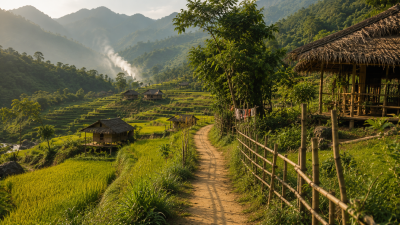
Some of the most meaningful trekking experiences in Vietnam happen far away from crowded tourism routes.
The Psychology Behind Slow and Ethical Travel
Most people do not travel to remote mountains simply to “check destinations off a list.” They travel because they are searching for emotional contrast from modern urban life.
Quietness. Human connection. Simplicity. Physical movement. Space to think.
Ethical trekking naturally aligns with this psychology because it slows the traveler down.
Instead of consuming destinations quickly, travelers begin to notice details:
• The rhythm of rice farming seasons
• Conversations with local families
• Water buffalo paths through bamboo forests
• Smoke rising from stilt houses in the evening
• The silence between villages
• The feeling of walking for hours without seeing crowds
This is why ethical trekking often creates more memorable experiences than highly commercialized tourism products.
However, not all trekking experiences in Vietnam follow the same philosophy. The difference between ethical trekking and standard tourism models has become increasingly important for travelers searching for authenticity, cultural respect, and slower forms of travel.
The most memorable moments during a trek in Vietnam are rarely the famous viewpoints. They are usually the quiet moments between destinations — hearing insects in bamboo forests, watching smoke rise from stilt houses, or walking for hours without traffic or crowds.
Ethical Trekking vs Standard Trekking Tours in Vietnam
Not all trekking experiences in Vietnam are designed around the same values.
Many standard trekking tours focus primarily on efficiency and volume. Large groups move quickly between villages, fixed itineraries leave little room for meaningful interaction, and local communities sometimes become part of a tourism performance rather than participants in a balanced travel economy.
Ethical trekking follows a slower and more conscious approach. The experience is not built around “seeing as much as possible,” but around understanding landscapes, culture, and local rhythms more deeply.
In many heavily touristed regions, travelers sometimes spend more time interacting with tourism infrastructure than with actual local culture. Ethical trekking tries to reverse that balance.
Smaller trekking groups create less pressure on village life, reduce environmental impact, and allow travelers to experience Northern Vietnam in a quieter and more personal way. Instead of rushing through crowded viewpoints, ethical trekking often prioritizes long walks through rice terraces, conversations with local guides, village meals, and time spent observing daily life naturally unfold.
For many experienced travelers, this difference is becoming increasingly important. The goal is no longer simply adventure, but meaningful connection without contributing heavily to overtourism.
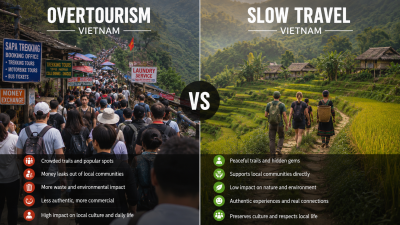
Many travelers now seek quieter and more meaningful alternatives to mass tourism in Vietnam.
Where to Experience Ethical Trekking in Vietnam
Pu Luong: A Strong Example of Low-Impact Trekking
Located about four hours from Hanoi, Pu Luong remains one of the few trekking regions in Northern Vietnam where travelers can still experience long stretches of peaceful trails connecting remote Thai ethnic villages, rice terraces, bamboo forests, and valleys without heavy tourism pressure.
Unlike destinations built around large-scale tourism infrastructure, Pu Luong still feels connected to agricultural life. Rice farming is not performed for tourists — it is simply daily reality. Trekking routes pass through villages where farming, weaving, cooking, and family life continue independently from tourism.
Travelers interested in quieter and more community-based trekking can explore different trekking routes and village trails in Pu Luong that focus on local interaction and nature immersion rather than sightseeing speed.
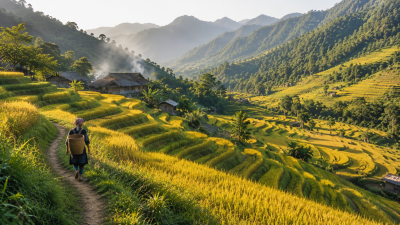
Rice harvest season remains one of the most beautiful times for ethical trekking in Northern Vietnam.
Ha Giang Beyond the Motorbike Trend
Ha Giang remains visually spectacular, but travelers seeking ethical experiences should avoid treating the region as simply a motorbike “challenge” or social media route. Staying longer, supporting locally owned homestays, and exploring smaller villages beyond the loop culture creates a more respectful experience.
Cao Bang for Remote Landscapes
Cao Bang offers dramatic limestone mountains, rivers, waterfalls, and minority villages with significantly fewer tourists than more famous northern destinations. Ethical travel here often means slower road trips, village stays, and local-guided nature exploration rather than rushed sightseeing itineraries.
Among these destinations, Pu Luong has quietly emerged as one of the strongest examples of how trekking tourism in Vietnam can still remain connected to everyday village life, local culture, and low-impact travel.
Pu Luong as a Case Study for Ethical Trekking in Vietnam
Pu Luong has gradually become one of the strongest examples of ethical and low-impact trekking in Vietnam.
Located a few hours from Hanoi, the region still preserves a quieter atmosphere compared to more commercial trekking destinations in Northern Vietnam. Many trails continue passing through working rice terraces, bamboo forests, streams, and Thai ethnic villages where agriculture remains part of everyday life rather than a staged tourist attraction.
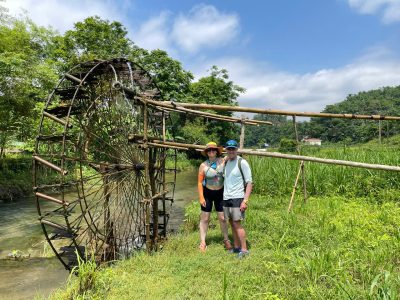
Traditional bamboo water wheels are one of the iconic cultural symbols of Pù Luông.
One reason Pu Luong still feels different from many famous trekking destinations is that tourism here has not completely replaced agricultural life. Rice farming, bamboo weaving, fishing, and local traditions still shape the rhythm of the landscape.
Unlike destinations dominated by large tourism infrastructure, Pu Luong still allows travelers to experience long stretches of peaceful trekking without heavy crowds. Local guides often know smaller village paths, seasonal rice conditions, and less touristy routes that create a more authentic connection to the landscape.
The region is not untouched by tourism, but it still maintains something increasingly rare in Southeast Asia: balance. Tourism exists, yet village life continues largely according to local rhythms rather than tourist schedules.
This balance is exactly why many travelers searching for ethical trekking, slow travel, and authentic cultural experiences are increasingly choosing Pu Luong over destinations that have become more crowded and commercialized.
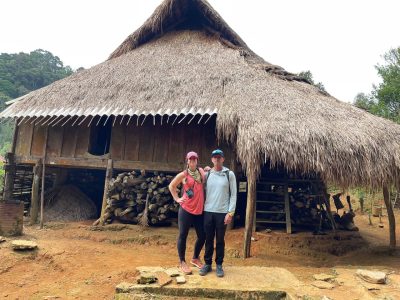
Traditional wooden stilt houses remain part of daily life in Ban Khuyn.
How to Travel More Ethically While Trekking in Vietnam
Choose Locally Operated Experiences
One of the simplest ways to support ethical tourism is to book with locally rooted operators instead of high-volume resellers disconnected from the destination itself.
Local operators usually:
• Employ local guides
• Use village homestays
• Understand seasonal trail conditions
• Adapt trekking pace realistically
• Maintain long-term relationships with communities
Avoid Large Group Trekking
Small groups create less noise, less waste, and more genuine interaction. They also reduce the feeling that villages are becoming “tourist performances.”
Private trekking experiences are often more expensive, but they usually create deeper value both for travelers and local communities.
Travel According to the Rhythm of the Landscape
Ethical trekking is not only about behavior — it is also about pacing.
Instead of trying to see five destinations in one week, many experienced travelers now choose fewer places with longer stays. This reduces transportation impact while creating more meaningful experiences.
For example, travelers spending several days walking through villages and rice terraces on a multi-day trekking experience in Pu Luong often leave with a stronger emotional connection to the landscape than travelers rushing through Northern Vietnam on fast itineraries.
For travelers who want to travel more responsibly, asking the right questions before booking a trekking experience can make a major difference.
Ethical Trekking Checklist Before You Book
One of the simplest ways to travel more responsibly is to ask better questions before booking a trekking experience.
A trustworthy trekking operator should be transparent about how tours are organized, who benefits from tourism, and how local communities are involved.
Before booking, travelers should ask:
• Are the trekking guides local to the region?
• How large are the trekking groups?
• Are meals and accommodations locally owned?
• Does the route avoid overcrowded trails?
• How is waste handled during the trek?
• Are local traditions respected naturally rather than performed for tourists?
• Does the itinerary allow enough time for meaningful interaction and slower travel?
The answers to these questions often reveal far more about the quality of a trekking experience than polished advertisements or social media photos.
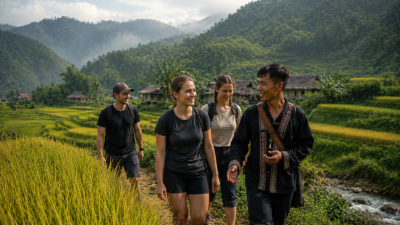
Ethical trekking experiences often depend on knowledgeable local guides deeply connected to the region.
Red Flags to Avoid When Booking Trekking Tours in Vietnam
As trekking tourism continues growing rapidly in Vietnam, travelers are increasingly learning to recognize signs that an experience may prioritize mass tourism over authentic cultural connection.
Some common warning signs include:
• Very large trekking groups moving through quiet villages
• Extremely cheap tours with unclear inclusions
• Itineraries focused mainly on photo stops rather than meaningful experiences
• Homestays operating more like tourist showrooms than real homes
• Guides reading memorized scripts without local knowledge or connection
• Trails crowded with souvenir stalls and commercial activity
• Operators unable to explain how tourism supports local communities
In many cases, travelers naturally sense when an experience feels staged or disconnected from real local life. Ethical trekking usually feels quieter, slower, and more human.
Best Destinations for Ethical Trekking in Vietnam
Pu Luong
One of the best destinations in Vietnam for travelers searching for rice terraces, Thai ethnic villages, bamboo forests, and quieter trekking routes without heavy tourism pressure.
Pu Luong is particularly attractive for travelers searching for quieter trekking routes near Hanoi without the overtourism found in more commercial mountain destinations. The region combines rice terraces, bamboo forests, Thai ethnic villages, water wheels, and locally guided trekking experiences in a way that still feels connected to everyday village life.
Cao Bang
Known for limestone mountains, waterfalls, and remote valleys with significantly lower tourism density compared to more famous northern destinations.
Cao Bang remains one of the least crowded mountain regions in Northern Vietnam. Instead of mass tourism infrastructure, travelers often find remote valleys, limestone mountains, rivers, waterfalls, and small local communities where tourism still develops at a much slower pace.
Ba Be National Park
Ba Be offers a different type of ethical travel experience focused more on lakes, jungle landscapes, boat journeys, and Tay ethnic communities. The slower atmosphere makes it especially attractive for travelers seeking calm and nature immersion.
A strong option for travelers interested in lake landscapes, jungle trekking, Tay ethnic communities, and slower eco travel experiences.
Less Commercial Areas of Ha Giang
Ha Giang can still offer meaningful ethical trekking experiences, especially for travelers who move beyond fast-paced loop itineraries and spend more time exploring smaller villages, local homestays, and less commercial routes.
While some parts of Ha Giang have become increasingly busy, travelers who move beyond the popular loop routes can still find quieter villages and more meaningful cultural experiences.
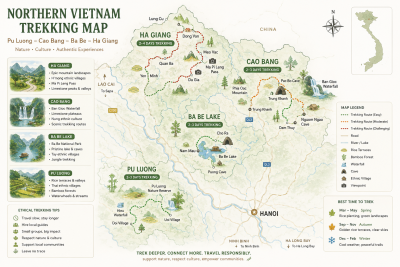
Northern Vietnam still offers several destinations suitable for slow and ethical trekking experiences.
The Difference Between “Authentic” and “Untouched”
One important misunderstanding in ethical travel is the idea of finding places that are completely “untouched.”
There are very few truly untouched places left in the world. Tourism already affects most destinations in some way.
The more realistic goal is to support destinations where tourism still exists in balance with local life — places where communities retain control over their identity, pace, and traditions instead of reshaping themselves entirely around visitor expectations.
That balance is exactly why many travelers interested in slow travel and immersive trekking experiences in Vietnam increasingly choose smaller regions instead of mass tourism hubs.
Why Ethical Trekking Often Creates Better Travel Memories
Many travelers return home remembering simple moments more vividly than famous landmarks.
A grandmother cooking over a wood fire.
A quiet trail through bamboo forest after rain.
Children waving from rice fields.
A local guide explaining farming traditions.
The silence of mountain valleys at sunrise.
These moments rarely happen in rushed tourism environments.
Ethical trekking creates the conditions for these experiences because it prioritizes presence over consumption.
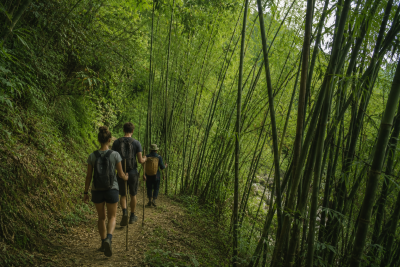
Bamboo forest trails are one of the most peaceful trekking experiences in Pù Luông.
Responsible Trekking Does Not Mean Sacrificing Comfort
A common misconception is that ethical travel must feel uncomfortable or overly basic.
In reality, many travelers today are searching for a balance between comfort and authenticity — what some now describe as quiet luxury or conscious travel.
This means:
• Comfortable but locally integrated accommodation
• Small-scale eco lodges instead of mass resorts
• Local food prepared thoughtfully
• Experienced local trekking guides
• Nature immersion without excessive commercialization
Travelers interested in this style of experience often begin researching more deeply into private trekking experiences in Pu Luong because the region still allows a rare combination of comfort, authenticity, and low tourism density.
Why Ethical Trekking Matters More Than Ever
Tourism in Vietnam is changing rapidly.
Road infrastructure is expanding, social media continues accelerating visitor numbers, and destinations that once felt remote can become heavily touristed within only a few years.
This creates an important question for the future of trekking in Vietnam: what kind of tourism should be encouraged moving forward?
Ethical trekking is not about rejecting tourism. It is about supporting forms of travel that protect the landscapes, village life, and cultural identity that travelers originally came to experience.
The future of trekking in Vietnam may depend less on how many tourists arrive, and more on what kind of tourism travelers decide to support.
For many travelers today, slow and responsible trekking is becoming less about sustainability trends and more about preserving the emotional quality of travel itself — silence, connection, authenticity, and the feeling of discovering places that still retain their natural rhythm of life.
In regions like Pu Luong, where tourism still remains relatively small-scale and community-based, travelers can experience a version of Vietnam that feels increasingly difficult to find in more commercialized destinations.
Travelers looking for smaller-scale private trekking experiences in Northern Vietnam increasingly choose routes designed around quieter villages, slower pacing, local guides, and longer immersion in nature rather than crowded sightseeing itineraries.
Final Thoughts: Ethical Trekking Is About Awareness, Not Perfection
No trip is completely impact-free. The goal of ethical trekking is not perfection. The goal is awareness.
Choosing quieter destinations.
Supporting local communities fairly.
Walking more slowly.
Spending more time in fewer places.
Respecting landscapes and cultures instead of consuming them.
Vietnam still offers extraordinary opportunities for travelers seeking meaningful trekking experiences beyond mass tourism — especially in regions where nature, village life, and cultural identity remain deeply connected.
For travelers searching for a more grounded and authentic trekking experience, Pu Luong remains one of the strongest examples of how slow, community-based, and low-impact travel can still exist in modern Vietnam.
Travelers looking for smaller-scale private trekking experiences in Northern Vietnam increasingly choose routes designed around quieter villages, slower pacing, local guides, and longer immersion in nature rather than crowded sightseeing itineraries.
Frequently Asked Questions About Ethical Trekking in Vietnam
What is ethical trekking?
Ethical trekking refers to low-impact and community-conscious trekking experiences that respect local culture, reduce environmental pressure, and support local economies fairly.
Is Pu Luong less touristy than Sapa?
Yes. Pu Luong generally receives fewer tourists than Sapa and offers quieter trekking routes, more peaceful village environments, and a slower travel atmosphere.
What are the best ethical travel destinations in Vietnam?
Pu Luong, Cao Bang, Ba Be, and smaller regions of Ha Giang are often considered among the best destinations for ethical and slow travel experiences in Vietnam.
How can travelers reduce their impact while trekking?
Travelers can reduce impact by choosing local guides, avoiding large tour groups, staying longer in fewer places, minimizing plastic waste, and supporting locally owned accommodation and services.
Is ethical trekking more expensive?
Sometimes yes, because smaller-scale and locally operated experiences cannot compete with mass-tourism pricing. However, travelers often receive more meaningful experiences, better guiding quality, and deeper cultural immersion.
Pu Luong Trekking – Local Travel Experts
Authentic local insights into Pu Luong Nature Reserve, including trekking routes, village experiences, and slow travel journeys in northern Vietnam.
Based on real local experience from guiding travelers in Pu Luong and continuously updated to reflect actual trekking conditions, village life, and seasonal changes in Pu Luong.