
7 Places Not to Miss in Pu Luong | Nature & Local Life Guide
Hidden in the mountains of northern Vietnam, Pu Luong Nature Reserve is one of the country’s most peaceful and least commercialized destinations.
Unlike Sapa or Ninh Binh, Pu Luong is not about viewpoints crowded with tourists. It is about walking slowly through villages, rice terraces, forests, and valleys, where local life continues much as it has for generations.
If you are planning a trip and wondering what to see in Pu Luong, these are the 7 places you should not miss.
Explore curated trekking experiences
Experience authentic village life with pu luong trekking tours through remote areas.
You can book customized trekking trips based on your preferences.
The 3 day trekking journey is perfect for deeper exploration.
1. Pu Luong Rice Terraces
The rice terraces are the heart and soul of Pu Luong. Spread across hillsides and valleys, they change color with the seasons—from fresh green to golden yellow.
Why visit:
-
One of the most beautiful rural landscapes in northern Vietnam
-
Still farmed by hand using traditional methods
Best time:
-
March– Aprril (young green rice)
-
September–October (harvest season)
How to experience it best:
-
Walk through villages such as Don, Lan Trong, and Kho Muong
-
Combine with a hiking route, not just a viewpoint stop
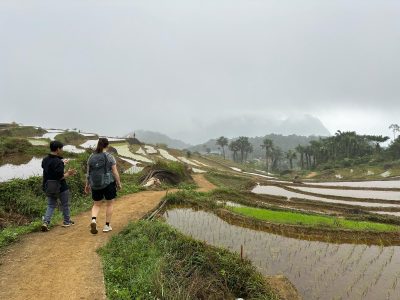
Rice terraces in Pu Luong are living landscapes, shaped by daily village life.
2. Hieu Waterfall & Hieu Village
Located near Hieu Village, this waterfall flows year-round and remains refreshingly cool even in summer.
Why visit:
-
Natural pools for swimming
-
Traditional Thai village nearby
Best time:
-
Morning or late afternoon
Local tip:
-
Visit as part of a village walk or light hike rather than by motorbike alone
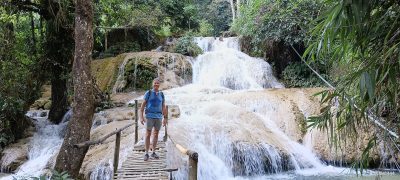
A refreshing stop during village walks in Pu Luong.
Pu Luong hiking tour two days one night
7. Cham River & Bamboo Rafting
Flowing gently through parts of Pu Luong, the Cham River offers a slower, more relaxed experience.
Why visit:
-
Bamboo rafting
-
Riverside walks
-
Calm atmosphere
Best for:
-
Couples
-
Families
-
Travelers looking to slow down

A slow river experience that reflects the rhythm of Pu Luong.
5. Thai Ethnic Villages & Brocade Weaving
Pu Luong is home primarily to the Thai ethnic minority, known for stilt houses, weaving, and a close relationship with nature.
Why visit:
-
Learn about traditional brocade weaving
-
Observe daily rural life
Where:
-
Lan Ngoai
-
Lan Trong
-
Don Village
How to experience it best:
-
Slow village walks
-
Staying at eco lodges or homestays that work closely with local families
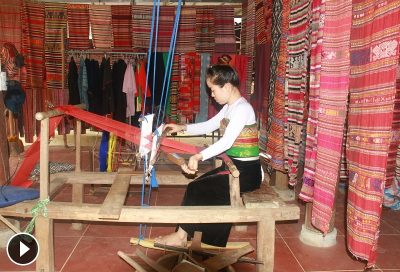
Daily life and weaving traditions of Thai ethnic communities in Pu Luong.
6. Bamboo Forests & Mountain Trails
Large sections of Pu Luong are covered by bamboo forests and quiet mountain trails.
Why visit:
-
Peaceful walking routes
-
Shade and cool air
Best way to explore:
-
Half-day or multi-day hiking routes
-
Combined with villages and rice terraces
These trails are ideal for travelers who enjoy moderate hiking rather than extreme trekking.
3. Kho Muong Village
Kho Muong is one of the most remote and authentic villages in Pu Luong, surrounded by limestone mountains.
Why visit:
-
Dramatic scenery
-
Traditional stilt houses
-
Minimal tourism development
Best experience:
-
Trekking into the village
-
Staying overnight at a local homestay
This is often a highlight for travelers looking for deep cultural immersion.
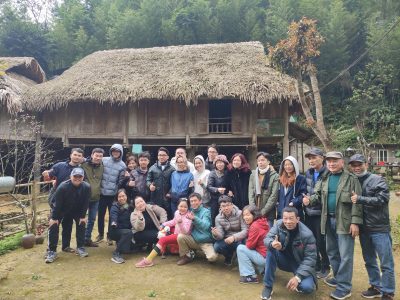
Kho Muong is one of the most remote and authentic villages in Pu Luong.
4. Kho Muong Cave
Hidden near Kho Muong Village, this limestone cave features impressive stalactites and stalagmites.
Why visit:
-
Quiet and uncrowded
-
Adds variety to a trekking day
Tip:
-
Visit with a local guide for safety and context
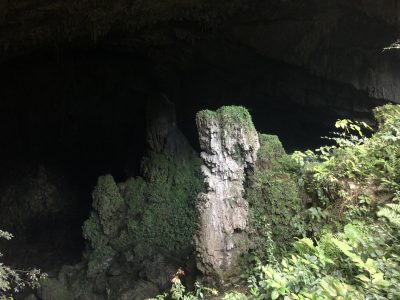
A quiet limestone cave hidden near Kho Muong Village.
How Many Days Do You Need in Pu Luong?
-
2 days: Highlights only (rice terraces + waterfall)
-
3 days: Ideal balance of hiking, villages, and relaxation
-
4–5 days: Deep exploration, trekking routes, and homestay nights
👉 If you enjoy walking and culture, 3–4 days is perfect.
Frequently Asked Questions About Pu Luong
Is Pu Luong worth visiting?
Yes. Pu Luong is worth visiting if you enjoy quiet nature, village life, and walking experiences rather than crowded viewpoints. It is less commercialized than Sapa or Ninh Binh and offers a slower, more authentic way to experience northern Vietnam.
What are the best places to visit in Pu Luong?
Some of the most meaningful places in Pu Luong include the rice terraces, Kho Muong Village, Hieu Waterfall, Thai ethnic villages, bamboo forests, and the Cham River. These places are best explored on foot as part of village walks or light trekking routes.
How many days should I spend in Pu Luong?
-
2 days: enough for highlights such as rice terraces and Hieu Waterfall
-
3 days: ideal for village walks, bamboo forests, and relaxed exploration
-
4–5 days: best for deeper trekking routes, remote villages, and homestay stays
For travelers who enjoy walking and culture, 3–4 days is usually perfect.
What is the best time to visit Pu Luong?
Pu Luong can be visited year-round, but the most scenic seasons are:
-
March–April: young green rice terraces
-
September–October: golden harvest season
Morning walks are recommended for cooler temperatures and softer light.
Is Pu Luong suitable for hiking beginners?
Yes. Most hiking routes in Pu Luong are moderate and suitable for beginners who enjoy walking. Trails often pass through villages, rice terraces, and bamboo forests rather than steep or technical terrain.
How should I explore Pu Luong for the best experience?
Pu Luong is best explored on foot. Walking between villages, sharing meals with local families, and spending time in nature offer a much deeper experience than traveling by motorbike or car alone.
Where should I stay in Pu Luong?
Eco lodges offer comfort surrounded by nature, while homestays provide deeper cultural immersion. Riverside locations are especially peaceful. Choosing accommodation close to villages and walking routes will greatly enhance your experience.
Is Pu Luong suitable for families or couples?
Yes. Pu Luong is well suited for couples, families, and slow travelers looking for nature, calm surroundings, and meaningful local experiences rather than nightlife or busy tourist attractions.
Many of these places are best explored as part of a slow and private Pu Luong tour, allowing time for walking, observation, and cultural connection.
Where to Stay in Pu Luong
Choosing the right accommodation greatly shapes your experience.
-
Eco lodges: comfort + nature
-
Homestays: cultural immersion
-
Riverside locations: peaceful atmosphere
👉 You can explore detailed options here:
→ Pu Luong Accommodation & Eco Lodges
How to Experience Pu Luong Beyond Sightseeing
Pu Luong is best experienced on foot, not from a car window.
-
Hiking between villages
-
Sharing meals with local families
-
Slowing down and observing daily life
👉 Explore curated experiences here:
→ Pu Luong Hiking & Trekking Tours
Final Thoughts
Pu Luong is not a destination for rushing.
It is a place for travelers who value nature, authenticity, and silence.
By visiting these seven places—and taking the time to experience them slowly—you will discover why Pu Luong leaves such a deep impression on those who come the right way.
Travel notes & guides for planning
Pu Luong Trekking – Local Travel Experts
Authentic local insights into Pu Luong Nature Reserve, including trekking routes, village experiences, and slow travel journeys in northern Vietnam.
Based on real local experience from guiding travelers in Pu Luong and continuously updated to reflect actual trekking conditions, village life, and seasonal changes in Pu Luong.