
Pu Luong Nature Reserve Accommodations – Best Eco Stays for Trekking
If you are wondering where to stay in Pu Luong Nature Reserve, the answer depends on how you want to experience the landscape.
Unlike typical destinations, accommodation in Pu Luong is not just about comfort — it determines how close you are to nature, local villages, and walking trails.
This guide focuses specifically on the best accommodations inside Pu Luong Nature Reserve, based on real stays and local experience, helping you choose between eco lodges, village homestays, and trekking-based stays.
If you are planning a trip to Pu Luong, Vietnam, that is a wonderful idea.
Pu Luong is one of those rare places where nature, climate, and culture come together in a gentle and unhurried way.
Known officially as Pu Luong Nature Reserve, the area was established in 1999 to protect valuable and rare flora and fauna while restoring ecosystems across more than 17,000 hectares of forested mountains and valleys.
Pu Luong is one of the remaining nature reserves in Vietnam where fresh air, endless mountain landscapes, and traditional village life still exist side by side. It is especially suitable for travelers who wish to discover local culture, ethnic communities, and untouched nature.
For a broader overview of the region’s landscapes, villages, and travel style, you can explore our complete guide to Pu Luong Vietnam.
Travelers planning their first journey often wonder where to stay in Pu Luong Nature Reserve, as accommodation here plays a central role in shaping the overall experience.
This destination is particularly appealing to those who enjoy trekking, climbing, and camping — whether reaching the summit of Pu Luong Mountain (over 1,700 meters above sea level) or walking through villages such as Kho Muong, Ban Uoi, Ban Don, Ban Hieu, and Ban Lan.
Staying in local family homestays, tasting traditional dishes of the Black Thai people, participating in village music gatherings, and sharing bamboo straw wine are experiences that define a meaningful journey in Pu Luong.
This guide focuses specifically on accommodations inside Pu Luong Nature Reserve, helping travelers understand where to stay based on atmosphere, location, and connection to the landscape.
Best Places to Stay for Trekking in Pu Luong Nature Reserve
For trekking in Pu Luong Nature Reserve, the best places to stay are Don Village, Kho Muong, Hieu Village, and the quieter Uoi–Lan area.
Don Village is ideal for first-time visitors looking for eco lodges and easy access to rice terrace walks. Kho Muong suits travelers seeking remote valley trekking and cave routes. Hieu Village is best for waterfall trekking and riverside trails, while Uoi and Lan Villages are perfect for hikers wanting quieter routes and deeper immersion in local life.
The best accommodation in Pu Luong depends less on luxury and more on proximity to trails, village atmosphere, and connection to nature.
If you travel slowly and value quiet destinations, you may find Pu Luong deeply rewarding — a perspective we explore further in Is Pu Luong worth visiting for slow travelers?.
## Best Areas to Stay Inside Pu Luong Nature Reserve
Some areas inside Pu Luong offer very different experiences depending on landscape, accessibility, and proximity to villages.
– Don Village: best for eco lodges, views, and first-time visitors
– Uoi & Lan Villages: ideal for quiet trekking routes and deeper immersion
– Kho Muong: remote valley with caves and traditional life
– Hieu Village: best for waterfalls and riverside walking
Each area provides a different atmosphere, and choosing the right one is often more important than choosing the accommodation itself.
If you’re looking for a broader overview including budget options, roadside stays, and a wider range of choices, you can explore our complete guide to accommodation in Pu Luong.
Why Choosing Accommodation in Pu Luong Is Different
Many accommodation lists focus on availability, price ranges, and surface-level amenities.
In Pu Luong Nature Reserve, however, where you stay matters more than what category the place falls into.
Staying just a few kilometers outside the reserve can mean paved roads, traffic noise, and a disconnect from village life — even if the accommodation itself looks attractive in photos.
By contrast, accommodations located inside the nature reserve are shaped by different priorities:
-
proximity to walking trails rather than roads
-
silence and landscape rather than convenience
-
integration with villages rather than separation from them
This guide is written to help travelers understand these differences before comparing prices or ratings, so their stay supports the kind of experience they are actually seeking in Pu Luong.
If you’re considering where to stay, you might also want to explore whether Pu Luong Vietnam is worth visiting overall before planning your trip.
Best Places to Stay for Trekking in Pu Luong Nature Reserve
Not every accommodation inside Pu Luong Nature Reserve offers the same trekking experience.
Some villages work better as trekking bases because they provide direct access to rice terrace trails, jungle paths, remote valleys, waterfalls, and local guide networks. Choosing the right base can completely change how deeply you experience the landscape.
Don Village – Best Trekking Base for First-Time Visitors
Don Village is one of the most accessible trekking bases in Pu Luong Nature Reserve.
The area combines eco lodges, rice terrace scenery, and relatively easy walking routes, making it ideal for travelers who want comfort while still experiencing village trekking. Many short and medium-distance trails begin directly from the valley around Don Village.
It is especially suitable for:
- first-time trekkers
- couples
- slow travelers
- photographers
- travelers combining comfort with hiking
Visitors staying here can easily explore nearby villages, bamboo water wheels, rice terraces, and local farming routes on foot.
For travelers wanting a balanced experience between trekking and comfort, many private Pu Luong trekking journeys begin around this area.
Kho Muong – Best for Remote Valley Trekking
Kho Muong is one of the most isolated villages inside Pu Luong Nature Reserve.
Surrounded by limestone mountains and forested valleys, it is ideal for travelers seeking deeper immersion into nature and more remote trekking experiences. Trails around Kho Muong often pass through rice terraces, jungle paths, cave systems, and traditional Thai villages rarely reached by casual visitors.
Accommodation here is simpler and more connected to daily local life.
Kho Muong is best suited for:
- experienced hikers
- nature lovers
- photographers
- multi-day trekkers
- travelers seeking authentic village life.
Hieu Village – Best for Waterfall Trekking
Hieu Village is known for riverside scenery, waterfall trekking, and peaceful walking routes.
The atmosphere here feels slower and more relaxed, with trails following streams, bamboo forests, and small local farms. Trekking around Hieu Village is generally moderate and accessible for travelers who enjoy nature walks without difficult climbs.
Many visitors stay here specifically for:
- waterfall trekking
- riverside walks
- eco stays
- slow travel
- quiet village life
The sound of flowing water and the cooler climate make Hieu one of the most relaxing trekking areas inside the reserve.
Uoi and Lan Villages – Best for Quiet Trails and Local Immersion
Compared with more visited areas, Uoi and Lan Villages remain quieter and less commercialized.
These villages are ideal for travelers seeking authentic trekking routes away from larger eco lodges and tourist clusters. Walking routes here often connect small farms, bamboo forests, rice terraces, and hidden valleys with very few other travelers.
Accommodation is usually family-run and deeply integrated into village life.
This area is especially suitable for:
- slow travelers
- hikers
- cultural travelers
- sustainable tourism experiences
- travelers seeking silence and disconnection.
Where should you stay in Pu Luong Nature Reserve?
Accommodation inside Pu Luong Nature Reserve differs fundamentally from places located near roads or towns. Staying inside the reserve means waking up to silence, walking trails starting at your doorstep, and villages that still follow natural rhythms rather than tourism schedules.
Pu Luong does not offer accommodation in the conventional sense of “hotels and resorts.”
Instead, where you stay here quietly shapes how you experience the landscape, the villages, and the rhythm of daily life.
Broadly, accommodation in Pu Luong falls into three categories, each suited to a different travel style:
-
Eco lodges & nature retreats – ideal for travelers seeking comfort, views, and deep quiet
-
Traditional village homestays – best for cultural immersion and meaningful local contact
-
Remote trekking homestays – designed for slow walkers who prioritize trails over amenities
There is no single “best” place to stay in Pu Luong.
The right choice depends on how slowly you want to move, and how closely you wish to live alongside local life. For a premium experience, pu luong trekking offers a unique blend of comfort and authenticity. You can choose from carefully designed best pu luong trekking packages with private guides and eco lodges. The pu luong 3 day itinerary is ideal for travelers seeking a deeper immersion.
How to Choose a Trekking Accommodation in Pu Luong
Choosing the right trekking accommodation in Pu Luong Nature Reserve depends more on trail access and atmosphere than on amenities alone.
Some accommodations are designed primarily for relaxation and scenic views, while others function as practical trekking bases connected to remote villages and walking routes.
Before booking, travelers should consider:
- proximity to trekking trails
- access to local guides
- walking difficulty
- village atmosphere
- road accessibility
- comfort level
- interest in local cultural immersion
Travelers focused on hiking and nature immersion often prefer accommodations deeper inside the reserve, where walking routes begin directly from the village itself.
Those seeking a softer experience may prefer eco lodges near Don Village, where short walks and panoramic scenery remain easily accessible.
Best Homestays for Trekking in Pu Luong
The best homestays for trekking in Pu Luong are not always the most beautiful places in photos. For hikers, the right homestay should be close to walking trails, connected to local village life, and suitable for the type of trekking experience you want.
In Pu Luong Nature Reserve, a good trekking homestay usually offers three important things: direct access to village trails, a quiet local atmosphere, and support from people who understand the surrounding routes. This is why many trekkers prefer staying in or near villages such as Kho Muong, Hieu, Uoi, Lan, and quieter valley areas instead of choosing accommodation only by comfort or online ratings.
What Makes a Homestay Good for Trekking?
A trekking-friendly homestay in Pu Luong should make your walking experience easier and more meaningful. Instead of needing a long transfer before starting the trek, you should be able to begin walking directly from the village or nearby trails.
The most useful features include:
-
direct access to rice terrace paths, valley trails, or forest routes
-
a peaceful village setting away from busy roads
-
local meals after a day of walking
-
basic but comfortable rest for hikers
-
access to local guides or village knowledge
-
a real connection to daily life in the community
For trekking travelers, the value of a homestay is not only the room. It is the location, the people, the walking routes, and the feeling of staying inside the landscape rather than just looking at it from a distance.
Best Homestay Areas for Trekking in Pu Luong
Kho Muong is one of the best areas for trekkers who want a remote valley experience. Homestays here are usually simple, local, and deeply connected to the surrounding landscape. The area works well for travelers who enjoy cave routes, limestone valleys, rice terraces, and quieter village life.
Hieu Village is a good choice for travelers who want waterfall trekking, riverside walks, and a softer village atmosphere. Homestays around this area are suitable for slower walkers, nature lovers, and guests who want to combine trekking with a peaceful overnight stay near streams and local farms.
Uoi and Lan Villages are suitable for travelers looking for quiet trails and deeper local immersion. These areas feel less commercial than some better-known villages and are often better for people who want a more authentic walking experience with fewer visitors around.
Don Village can also work well for first-time trekkers, especially those who want easier access, rice terrace views, and more comfortable eco-style accommodation nearby. It may not feel as remote as Kho Muong or Uoi–Lan, but it is a practical base for gentle trekking and first-time visitors.
Homestay or Eco Lodge for a Trekking Trip?
If your priority is local culture, simple living, and village immersion, a homestay is usually the better choice. It allows you to stay closer to local families, eat traditional meals, and experience the rhythm of village life after the day’s walk.
If your priority is privacy, comfort, and scenic views after trekking, an eco lodge may be more suitable. Many travelers choose to combine both: one night in a village homestay for authenticity and one night in an eco lodge for rest and comfort.
For multi-day trekking in Pu Luong, the best choice is not always one type of accommodation. The strongest experience often comes from matching the overnight stay with the right Pu Luong trekking routes and trails. A simple homestay in the right village can be more valuable than a beautiful lodge far from the trails.
Who Should Choose a Trekking Homestay?
A trekking homestay is best for travelers who want to experience Pu Luong slowly and respectfully. It is suitable for hikers, nature lovers, cultural travelers, and guests who prefer meaningful local connection over resort-style comfort.
However, it may not be the best option if you need luxury facilities, complete privacy, or hotel-style service. Facilities can be simple, bathrooms may be shared in some places, and the experience depends more on local life than on amenities.
For travelers who want a deeper journey, our private 3-day Pu Luong trekking tour can connect the right homestays, villages, trails, meals, and local support into one smooth experience.. This is often the best way to enjoy homestay trekking in Pu Luong without worrying about route planning, luggage, language, or transport.
Eco Lodge vs Homestay in Pu Luong – Which is Right for You?
Choosing accommodation in Pu Luong is less about star ratings and more about travel philosophy.
Below is a practical comparison to help you decide.
Eco Lodges & Nature Retreats
Eco lodges in Pu Luong are usually located on hillsides or valley edges, offering wide views over rice terraces, forests, and mist-filled mornings.
They are best suited for travelers who:
-
Value quiet, scenery, and personal space
-
Prefer fewer guests and an unhurried atmosphere
-
Enjoy comfort without luxury excess
Most eco lodges offer private rooms, panoramic terraces, and thoughtfully designed spaces that blend into the surrounding landscape rather than dominate it.
This option is ideal for:
-
Couples
-
Slow travelers
-
First-time visitors seeking a gentle introduction to Pu Luong.
Understanding how accommodation fits into a walking-based journey is especially important if you are considering a guided experience with a local trekking guide in Pu Luong.
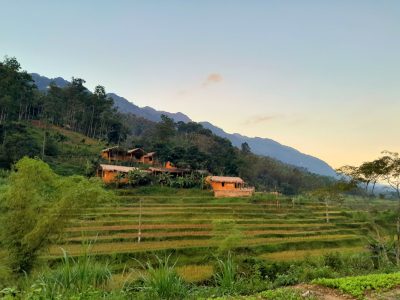
Eco lodges in Pu Luong offer quiet spaces, panoramic views, and a slow travel atmosphere
Traditional Village Homestays
Village homestays place you directly inside Thai or Muong communities, often in stilt houses surrounded by rice fields and daily village life.
They are best suited for travelers who:
-
Want to experience local culture from the inside
-
Are comfortable with simpler facilities
-
Value connection over comfort
Staying in a homestay means waking up to village sounds, sharing meals prepared by local families, and observing daily routines that continue largely unchanged by tourism.
This option is ideal for:
-
Cultural travelers
-
Budget-conscious explorers
-
Visitors who enjoy authenticity over privacy
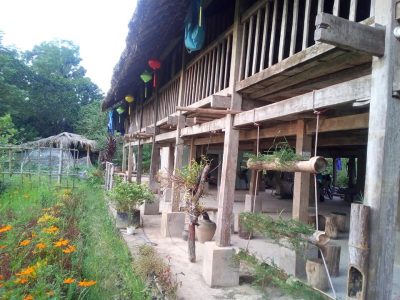
Staying in a village homestay allows close connection with local Thai communities
Remote Trekking Homestays
Some accommodations in Pu Luong exist purely to support trekking journeys. These are often located deep within villages or along walking routes, far from road access.
They are best suited for travelers who:
-
Prioritize walking and exploration
-
Accept basic facilities as part of the experience
-
Seek immersion rather than comfort
These stays are rarely booked independently and are usually arranged as part of a guided trekking journey.
This option is ideal for:
-
Multi-day trekkers
-
Experienced slow travelers
-
Guests seeking total disconnection
These remote stays are often part of multi-day walking routes included in our private Pu Luong trekking journeys.
For a premium experience, pu luong trekking offers a unique blend of comfort and authenticity. You can choose from carefully designed best pu luong trekking packages with private guides and eco lodges. The pu luong 3 day itinerary is ideal for travelers seeking a deeper immersion.
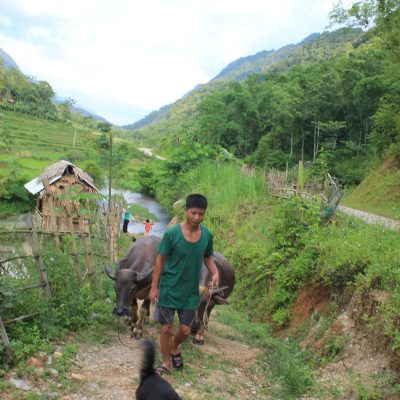
Simple homestays located deep along trekking routes in Pu Luong Nature Reserve
A Note on Choosing Your Stay
Many experienced travelers choose to combine two types of accommodation — beginning with a village homestay or trekking stay, and ending at an eco lodge to rest, reflect, and absorb the journey.
In Pu Luong, accommodation is not a backdrop.
It is part of the experience itself.
For hikers seeking a deeper experience, our private Pu Luong trekking tours combine eco lodges, remote homestays, and carefully selected walking routes inside the reserve.
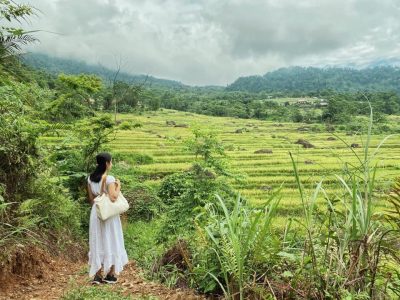
Quiet mornings and misty landscapes are part of staying in Pu Luong
Eco Stays and Sustainable Travel Inside Pu Luong Nature Reserve
Many travelers visit Pu Luong not only for trekking, but also for the opportunity to experience a slower and more sustainable style of travel.
Unlike mass tourism destinations, much of Pu Luong Nature Reserve still operates through small-scale village life, local farming, and community-based tourism. Staying in locally operated eco lodges or village homestays helps support local families while maintaining a lower-impact tourism model.
Many eco stays in Pu Luong are intentionally designed to:
- blend into the landscape
- minimize environmental impact
- preserve traditional architecture
- support local employment
- encourage slower travel rhythms
Travelers who choose accommodations deeper inside the reserve often experience a stronger connection to nature, daily village life, and walking culture.
For hikers and slow travelers, this creates a more meaningful relationship with the landscape than conventional resort-style tourism.
Features of Pu Luong Nature Reserve
Pu Luong is home to the Black Thai ethnic group, who continue to preserve their traditional culture. Stilt houses, agricultural rituals, and community life create the feeling of stepping into a much earlier era of human settlement.
The reserve is bordered by Mai Chau to the north and Ngoc Son – Ngo Luong Nature Reserve to the west. From Hieu Village, it takes about 40 minutes of jungle walking to reach Mu Waterfall in Lac Son District, Hoa Binh Province — an area known for its pristine landscapes.
Pu Luong is also located approximately 35 km from Cuc Phuong National Park, one of Vietnam’s most important biodiversity areas. Here, visitors may encounter monkeys, squirrels, deer, and other wildlife. Conservation centers also protect endangered species such as langurs before releasing them back into the wild.
According to local interpretation, the name Pu Luong means “the highest mountain.” During the French colonial period, the French military built an airstrip on the mountain to control supply routes between Laos and Vietnam. Today, remnants of this airstrip can still be seen when climbing to the summit.
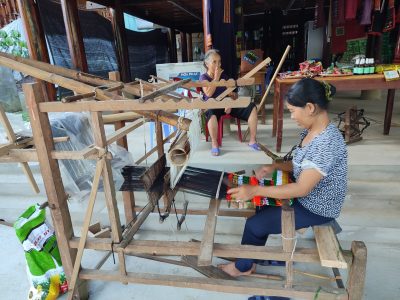
Traditional stilt houses and daily life of the Black Thai people in Pu Luong
How to get to Pu Luong Nature Reserve
If you love jungles and untouched landscapes, Pu Luong is the right destination.
For travelers with limited time, a two-hour trekking program offers an introduction to the forest. You will walk through bamboo groves and palm forests, visit local families, enjoy dried herbal tea, and taste traditional rice wine infused with forest herbs — all while listening to stories of daily life from the Thai people.
To join a trekking experience, please contact us for detailed arrangements. We will organize a knowledgeable local guide to ensure a meaningful and respectful journey.
Distance to Pu Luong from major cities
-
Hanoi → Pu Luong (155 km): via Hoa Binh City, Tan Lac District, then winding mountain roads to Son Ba Muoi (“Heaven Gate”)
-
Alternative route (178 km): via Ho Chi Minh Highway through Cam Thuy District (approx. 4.5 hours by car)
-
Thanh Hoa City → Pu Luong (130 km): via Tho Xuan Airport and Road 15C
-
Ho Chi Minh City → Pu Luong: 2-hour flight to Tho Xuan Airport, followed by a 2-hour road transfer
Travelers seeking a more comfortable option may also consider our detailed guide to Pu Luong transfer services, including private cars and shared transport.
Local Bus to Pu Luong
-
From Hanoi, Hoang Phuong Bus operates 4–5 daily departures from Yen Nghia and Giap Bat stations
-
From Thanh Hoa City, Manh Tan Bus runs from Phia Tay Station between 5:00 a.m. and 4:45 p.m.
-
From Tho Xuan Airport, taxis or local buses are available for onward travel

Local buses are an affordable option for traveling to Pu Luong Nature Reserve from Hanoi or Thanh Hoa.
Weather in Pu Luong
-
Summer: Warm during the day, cooler after 4:00 p.m., with nighttime temperatures dropping 4–5°C
-
Winter (Nov–Feb): Cold, sometimes below 7°C, ideal for cloud photography
-
Best months: March, April, August, and September, with temperatures between 18–27°C and rice harvest scenery. To better understand seasonal trekking conditions, rice harvest periods, and weather patterns, you can check our guide to the best time to visit Pu Luong.

Cool climate and scenic landscapes make Pu Luong ideal for slow travel
Suggested Stay Combinations for Trekkers
Many experienced travelers combine different types of accommodation during their stay in Pu Luong Nature Reserve.
This approach allows visitors to experience both the comfort of eco lodges and the authenticity of remote trekking homestays.
Some common combinations include:
Eco Lodge + Remote Homestay
Ideal for travelers wanting both comfort and adventure.
Guests often begin with an eco lodge for rest and panoramic scenery before continuing deeper into the reserve for multi-day trekking and village immersion.
Waterfall Homestay + Valley Trekking Route
Suitable for travelers who enjoy slower walking routes, riverside landscapes, and quieter villages.
This combination works particularly well around Hieu Village.
Multi-Village Trekking Journey
Designed for hikers and experienced walkers.
Accommodation changes naturally along the trekking route, allowing travelers to experience different valleys, village atmospheres, and landscapes across the reserve.
This style of journey is commonly included in longer private Pu Luong trekking itineraries. For travelers planning multi-day hiking routes, our detailed guide to Pu Luong trekking routes and trails explains the best villages, landscapes, and walking experiences inside the reserve.
Travelers planning a longer journey may also enjoy our Pu Luong 3 days trekking itinerary, combining eco stays, local guides, and remote village trekking.
## Planning Your Stay in Pu Luong
If you are unsure which accommodation suits your travel style, we can help you design a stay that combines eco lodges and local homestays based on your walking level and preferences.
Many travelers choose to combine a village homestay with an eco lodge to experience both cultural immersion and comfort.
Explore our private Pu Luong trekking journeys to see how accommodation fits naturally into a walking-based experience.
If you want a complete overview of villages, rice terraces, and local travel style, you can also explore our Pu Luong travel guide before choosing your accommodation.
Frequently Asked Questions About Staying in Pu Luong
Where should trekkers stay in Pu Luong Nature Reserve?
Trekkers usually stay in Don Village, Kho Muong, Hieu Village, or deeper valley homestays depending on their walking level and preferred atmosphere. Some areas provide easier access to rice terrace trails, while others are better suited for remote jungle trekking and waterfall routes.
Can I start trekking directly from my accommodation in Pu Luong?
Yes. Many eco lodges and village homestays inside Pu Luong Nature Reserve are located directly beside walking trails, allowing travelers to begin trekking immediately from the accommodation without additional transfers.
What is the best eco stay area for hiking in Pu Luong?
Don Village is generally considered the best eco stay area for first-time hikers because it combines comfortable eco lodges with direct access to scenic walking routes and nearby villages.
Should I book accommodation separately or as part of a trekking tour?
Travelers planning deeper trekking routes often benefit from booking accommodation as part of a guided trekking journey, especially when staying in remote villages where logistics and trail navigation can be more complex.
Are eco lodges in Pu Luong worth the higher price?
For travelers who value silence, scenery, and personal space, eco lodges are worth the price.
They offer fewer rooms, thoughtful design, and a slower rhythm compared to standard homestays, allowing guests to experience Pu Luong without feeling rushed or crowded.
Is it better to stay in a homestay or an eco lodge in Pu Luong?
Homestays are ideal for cultural immersion and close interaction with local families.
Eco lodges suit travelers seeking comfort, privacy, and panoramic views.
Many visitors choose to stay in both during their journey to experience Pu Luong from different perspectives.
Can I stay in Pu Luong without trekking?
Yes. While trekking enhances the experience, many visitors stay in eco lodges or village homestays simply to rest, walk short paths, and observe local life at a relaxed pace.
Are accommodations in Pu Luong suitable for slow travelers?
Pu Luong is particularly well-suited for slow travelers.
Accommodation here supports unstructured days, quiet mornings, and walking without schedules — making it an ideal destination for those who value presence over activity.
How many nights should I stay in Pu Luong?
A minimum of two nights allows time to settle into the rhythm of the landscape.
Three nights or more is recommended for travelers who wish to walk slowly, explore villages, and fully disconnect from faster travel routines.
Three nights or more is recommended for travelers who wish to walk slowly, explore villages, and fully disconnect from faster travel routines, especially when joining a slow-paced Pu Luong trekking experience.
What are the best homestays for trekking in Pu Luong?
The best homestays for trekking in Pu Luong are usually located in or near villages with direct access to walking trails, such as Kho Muong, Hieu, Uoi, Lan, and quieter valley areas. The right choice depends on your walking level, comfort preference, and whether you prefer remote trekking, waterfall trails, rice terraces, or deeper village immersion.
Is a homestay better than an eco lodge for trekking in Pu Luong?
A homestay is better if you want local culture, simple village life, and closer connection with the community. An eco lodge is better if you prefer privacy, comfort, and scenic views after trekking. Many travelers combine both during a multi-day Pu Luong trekking trip.
Reader Advisory Note
This guide is written from direct experience working and walking inside Pu Luong Nature Reserve over many years.
Rather than listing every available property, it focuses on explaining how location, landscape, and proximity to villages shape the quality of a stay — details that are often difficult to understand from booking platforms alone.
Some accommodations mentioned here may not appear on large booking websites, while others may look similar online but offer very different on-the-ground experiences depending on where they are situated.
Readers are encouraged to use this guide as a context-setting reference, and then compare options based on what kind of atmosphere, silence, and connection they value most when staying in Pu Luong.
This approach is reflected consistently across other articles on this site, including hiking routes, village walks, and accommodation guides.
Final note on accommodation in Pu Luong
Pu Luong is not a destination to “check off.”
Where you stay shapes how deeply you experience its silence, its people, and its landscapes.
Choosing accommodation here is less about comfort level — and more about how close you wish to live to the land itself.
This guide is referenced throughout this site as the primary explanation of how accommodation works inside Pu Luong Nature Reserve.
Other articles covering Pu Luong hiking routes, trekking journeys, village walks, and eco lodges refer back to this page to clarify why staying inside the reserve feels fundamentally different from staying near towns or highways.
## Explore More About Pu Luong
To plan your journey better, you can explore:
– 👉 Pu Luong trekking routes and complete guide
– 👉 Pu Luong trekking difficulty levels explained
– 👉 Check Pu Luong weather today before your trip
– 👉 Best time to visit Pu Luong by season
– 👉 Things to do in Pu Luong beyond trekking
– 👉 Private Pu Luong trekking tours tailored to you
Pu Luong Trekking – Local Travel Experts
Authentic local insights into Pu Luong Nature Reserve, including trekking routes, village experiences, and slow travel journeys in northern Vietnam.
Based on real local experience from guiding travelers in Pu Luong and continuously updated to reflect actual trekking conditions, village life, and seasonal changes in Pu Luong.