
Pu Luong Nature Reserve Trekking Guide: Routes, Villages & Trails
Pu Luong Nature Reserve trekking offers a network of scenic village trails connecting rice terraces, bamboo forests, and traditional Thai ethnic villages. Located about 4–5 hours from Hanoi, Pu Luong is one of the most authentic trekking destinations in northern Vietnam, known for peaceful landscapes and multi-day village trekking routes.
Unlike more crowded trekking destinations such as Sapa, Pu Luong remains peaceful and authentic. Trekking routes follow traditional village paths that local communities have used for generations.
For travelers seeking quiet landscapes and meaningful cultural encounters, trekking in Pu Luong Nature Reserve offers one of the most authentic hiking experiences in Vietnam.
For travelers planning a visit, our complete guide to the Pu Luong Nature Reserve explains the landscape, villages, and conservation area in more detail.
If you are planning your trip, the best way to explore is through pu luong trekking with local guides and authentic routes.
For a complete experience, you can choose from these pu luong trekking packages tailored for different travel styles.
A highly recommended option is the pu luong trekking 3 days, perfect for a balance of nature and culture.
Where Is Pu Luong Nature Reserve?
Pu Luong Nature Reserve is located in Thanh Hoa Province in northern Vietnam, between Mai Chau Valley and Ngoc Son Ngo Luong Nature Reserve.
The reserve covers more than 17,000 hectares of limestone mountains, forests, and agricultural valleys. Within this landscape, a network of small trails connects remote villages and rice terraces.
These traditional footpaths are now used as trekking routes, allowing visitors to explore the region slowly on foot.
To understand the geography of the trails, you can explore the detailed Pu Luong trekking map, which shows how the valleys and villages are connected.
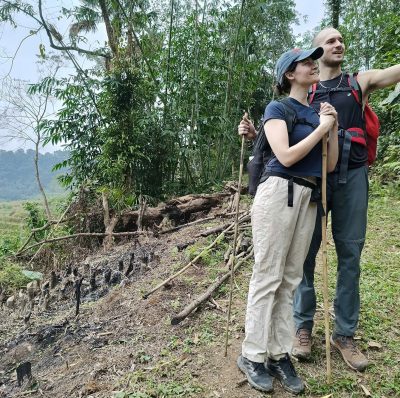
Traditional village paths used as trekking trails in Pu Luong.
Why Trekking in Pu Luong Nature Reserve Is Unique
Trekking in Pu Luong is different from typical mountain trekking in Vietnam.
Instead of hiking only through forests, most trails pass through a combination of landscapes:
• terraced rice fields
• bamboo forests
• limestone mountains
• ethnic Thai villages
• small mountain streams
Because local communities still live and farm in these valleys, trekking here becomes both a nature and cultural journey.
Many travelers describe Pu Luong trekking as a slow travel experience, where the goal is not to reach a summit but to explore village life and landscapes.
If you want to understand how trekking works in this region, you can read our complete Pu Luong trekking guide, which explains the main trails and trekking styles.

Bamboo forest trails are common along Pu Luong trekking routes.
Best Pu Luong Nature Reserve Trekking Routes
Pu Luong offers a wide range of trekking routes suitable for different levels of experience.
Some of the most popular trekking routes include:
Don Village – Uoi Village – Lan Village
This is one of the most scenic valley trekking routes in Pu Luong.
The trail passes through terraced rice fields and traditional wooden houses of the Thai ethnic community.
Kho Muong Village Trek
Kho Muong is one of the most remote villages in Pu Luong.
The trek leads through forests and valleys before reaching a hidden village surrounded by limestone mountains.
Hieu Village Waterfall Trek
This route combines village trekking with a visit to Hieu Waterfall, one of the most beautiful waterfalls in the nature reserve.
For travelers interested in exploring more routes, our guide to the best Pu Luong trekking routes explains the most scenic trails in detail.
Pu Luong Trekking Routes Overview
Below is a simple overview of some of the most popular trekking routes inside Pu Luong Nature Reserve. These trails connect traditional Thai villages, rice terraces, bamboo forests, and limestone valleys.
| Trekking Route | Distance | Difficulty | Highlights |
|---|---|---|---|
| Don Village – Uoi Village – Lan Village | 6–8 km | Easy – Moderate | Rice terraces, Thai villages, valley views |
| Don Village – Pho Doan – Uoi Village | 7–9 km | Moderate | Water wheels, bamboo forest trails |
| Kho Muong Village Trek | 5–7 km | Moderate | Remote valley, limestone mountains |
| Kho Muong – Bat Cave Trek | 4–6 km | Moderate | Cave exploration, forest trails |
| Hieu Village Waterfall Trek | 6–8 km | Moderate | Hieu waterfall, mountain streams |
| Multi-valley Pu Luong Trek | 15–20 km | Challenging | Rice terraces, villages, forest ridges |
Pu Luong Nature Reserve offers multiple trekking routes ranging from easy village walks to multi-day trekking journeys connecting remote valleys and traditional Thai villages.
Many travelers combine several of these routes into multi-day journeys through the reserve. You can explore the complete guide to trekking routes in Pu Luong Nature Reserve to understand how the valleys and villages connect through traditional trails.
If you are planning your trip, the best way to explore is through pu luong trekking with local guides and authentic routes.
For a complete experience, you can choose from these pu luong trekking packages tailored for different travel styles.
A highly recommended option is the pu luong trekking 3 days, perfect for a balance of nature and culture.
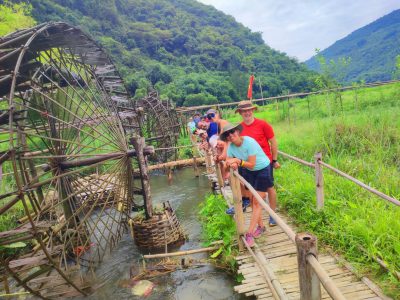
Traditional bamboo water wheels used for irrigation in Pu Luong villages.
Trekking Villages in Pu Luong
Many trekking trails in Pu Luong connect traditional ethnic villages.
Some of the most famous trekking villages include:
• Don Village
• Uoi Village
• Lan Village
• Kho Muong Village
• Hieu Village
These villages maintain traditional Thai architecture, farming systems, and community life.
Walking through them offers a unique opportunity to experience authentic rural culture in northern Vietnam.
Our article about traditional villages in Pu Luong provides a deeper look into the culture and daily life of these communities.
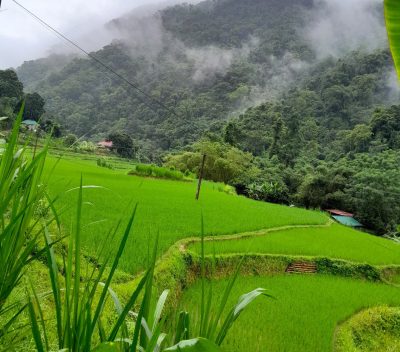
Mountain valleys and rice terraces seen during Pu Luong trekking.
Pu Luong Trekking Distance From Hanoi
Pu Luong Nature Reserve is located about 165–180 km from Hanoi, and the journey usually takes 4–5 hours by car depending on traffic and road conditions.
Travelers often combine the journey with trekking experiences in the reserve. You can learn more about transport options in our guide to traveling from Hanoi to Pu Luong.
Pu Luong Trekking Difficulty Levels
Pu Luong trekking routes range from easy village walks to more challenging mountain treks.
Typical difficulty levels include:
Easy trekking
2–4 hour walks through rice terraces and villages.
Moderate trekking
Full-day trekking routes connecting multiple valleys.
Challenging trekking
Mountain routes crossing forest ridges and remote villages.
If you are unsure which route is suitable for your fitness level, our guide to Pu Luong trekking difficulty levels explains each level in detail.
Best Time for Pu Luong Nature Reserve Trekking
The best time to go trekking in Pu Luong depends on the rice seasons and weather.
Rice terrace seasons
May – June
September – October
During these months, rice terraces are at their most beautiful.
Dry trekking season
October – April
This period offers cooler temperatures and ideal trekking conditions.
Travelers planning their trip may also find helpful information in our Pu Luong travel guide, which explains the seasons, weather, and best months to visit.
Pu Luong Trekking Map
The trekking network in Pu Luong connects multiple valleys and villages.
Most trekking routes are located in three main areas:
• Don Valley
• Kho Muong Valley
• Hieu Valley
You can explore the complete trail system through our interactive Pu Luong trekking map, which shows the most popular trekking valleys and routes.
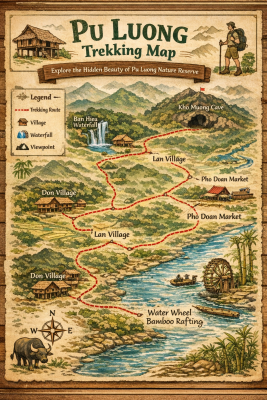
Map of trekking routes connecting villages and valleys inside Pu Luong Nature Reserve.
Pu Luong Trekking Itinerary
Many travelers visiting the reserve want to understand how trekking days are usually organized. A typical Pu Luong Nature Reserve trekking itinerary includes walking between traditional villages, rice terraces, and forest valleys.
Below is one of the most popular trekking routes that allows travelers to experience the landscapes and village life of Pu Luong.
2 Day Pu Luong Trekking Itinerary
This two-day journey is one of the best ways to experience trekking in Pu Luong. The route connects several valleys and villages inside the nature reserve.
If you want to understand the trail system before trekking, you can explore the Pu Luong trekking map which shows how the valleys and villages are connected.
Day 1
Don Village – Uoi Village – Lan Village trekking
The first day begins in Don Village, one of the most scenic valleys in Pu Luong. From here, trekking trails lead through terraced rice fields and small farming paths toward Uoi Village.
Along the way, travelers walk through bamboo forests, rice terraces, and traditional Thai houses built on stilts.
The trail continues to Lan Village, where visitors can observe daily village life and enjoy panoramic views of the valley.
This route is considered one of the most beautiful Pu Luong trekking routes because it combines landscapes, agriculture, and traditional villages.
Day 2
Kho Muong Valley trekking – Bat Cave
On the second day, the trek continues deeper into the nature reserve toward Kho Muong Valley, one of the most remote areas in Pu Luong.
The trail passes through forest paths and limestone valleys before reaching Kho Muong Village, a small traditional village surrounded by dramatic mountain scenery.
Near the village, travelers can visit Bat Cave, one of the largest caves in the reserve, known for its impressive limestone formations.
This route is usually considered a moderate level trek. If you want to understand the terrain and walking distances, our guide to Pu Luong trekking difficulty levels explains the different trekking conditions in the reserve.
Many travelers follow similar village routes when exploring Pu Luong. Our complete guide to trekking in Pu Luong Nature Reserve explains all main trails, villages, and trekking routes inside the reserve.
If you are looking for organized tours, you can explore our Pu Luong trekking packages.
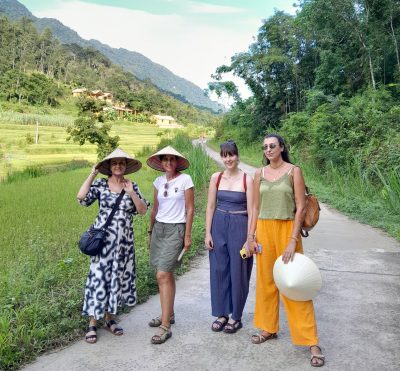
Local guides help travelers explore hidden trekking routes in Pu Luong.
Pu Luong Trekking Tips
Trekking in Pu Luong Nature Reserve is generally accessible for most travelers, but preparation can make the experience much more enjoyable. Because the trekking trails pass through rice terraces, bamboo forests, and remote villages, a few practical tips can help you explore the reserve comfortably and safely.
If you are planning your trip, the best way to explore is through pu luong trekking with local guides and authentic routes.
For a complete experience, you can choose from these pu luong trekking packages tailored for different travel styles.
A highly recommended option is the pu luong trekking 3 days, perfect for a balance of nature and culture.
Wear proper trekking shoes
Many trekking trails in Pu Luong are small village paths used by local farmers. These trails often cross rice terraces, dirt slopes, and bamboo forests.
During the rainy season, some paths can become slippery, so wearing proper trekking shoes with good grip is highly recommended.
Understanding the Pu Luong trekking difficulty levels can also help travelers choose routes suitable for their fitness level.
Bring water and sun protection
Although many villages are located along trekking routes, it is still important to carry enough water, especially during longer trekking days.
A hat, sunscreen, and light clothing are useful when walking through open rice terraces where shade is limited.
Respect local village life
Pu Luong trekking routes pass directly through traditional Thai ethnic villages. These communities still maintain their agricultural lifestyle and cultural traditions.
When trekking through villages:
• walk quietly through residential areas
• ask before taking photos of people
• respect local customs and daily activities
Learning about the traditional villages of Pu Luong can help travelers better understand the culture and lifestyle of the region.
Consider trekking with a local guide
Although some trails can be explored independently, trekking with a local guide often makes the experience richer and easier.
Local guides know hidden trails, seasonal trekking routes, and cultural stories about the villages.
Many of the best routes described in the Pu Luong trekking routes guide are easier to follow with a local guide who understands the terrain.
Check weather and rice seasons
The landscapes of Pu Luong change significantly throughout the year.
The most beautiful trekking periods usually occur during the rice seasons:
• May – June (green rice terraces)
• September – October (golden harvest season)
You can read more about seasonal landscapes in our complete Pu Luong travel guide, which explains the best months to visit the reserve.
With its peaceful valleys, traditional villages, and scenic rice terraces, Pu Luong Nature Reserve trekking remains one of the most authentic hiking experiences in northern Vietnam.
FAQ – Pu Luong Nature Reserve Trekking
Is trekking in Pu Luong difficult?
Most trekking routes in Pu Luong are moderate and suitable for travelers with average fitness.
How many days should I trek in Pu Luong?
Most visitors spend 2–3 days trekking between villages.
Do I need a guide for Pu Luong trekking?
While some short routes can be explored independently, a local guide helps you access hidden villages and understand the culture.
Is Pu Luong better than Sapa for trekking?
Pu Luong is quieter and less commercialized, making it ideal for travelers looking for peaceful trekking experiences.
If you are planning your trip, the best way to explore is through pu luong trekking with local guides and authentic routes.
For a complete experience, you can choose from these pu luong trekking packages tailored for different travel styles.
A highly recommended option is the pu luong trekking 3 days, perfect for a balance of nature and culture.
Pu Luong Trekking – Local Travel Experts
Authentic local insights into Pu Luong Nature Reserve, including trekking routes, village experiences, and slow travel journeys in northern Vietnam.
Based on real local experience from guiding travelers in Pu Luong and continuously updated to reflect actual trekking conditions, village life, and seasonal changes in Pu Luong.